The Ultimate Guide to Making Homemade Pasta: Tips from PastaCraft


Making homemade pasta can be a rewarding experience that connects you to a centuries-old tradition. With guidance from PastaCraft, you'll be crafting delicious pasta in no time. Whether you're a novice or a seasoned chef, these tips will elevate your pasta-making skills.
Choosing the Right Ingredients
The foundation of great pasta lies in its ingredients. Using high-quality flour is crucial. Opt for "00" flour for a silky texture or semolina for a bit more bite. Fresh eggs can add richness, so select organic or farm-fresh eggs whenever possible.
Water and salt are the other essentials. Use filtered water for the best results, and don't skimp on salt—it enhances the flavor of the dough. Remember, simple ingredients can create extraordinary dishes.
Perfecting the Dough
Kneading is a vital step in making pasta dough. It develops gluten, which gives pasta its structure. Start by mixing your ingredients into a shaggy dough and knead it until smooth and elastic. This usually takes about 10 minutes by hand.
After kneading, let your dough rest. Wrap it in plastic wrap and let it sit for at least 30 minutes. This resting period allows the gluten to relax, making it easier to roll out.
Rolling and Cutting Techniques
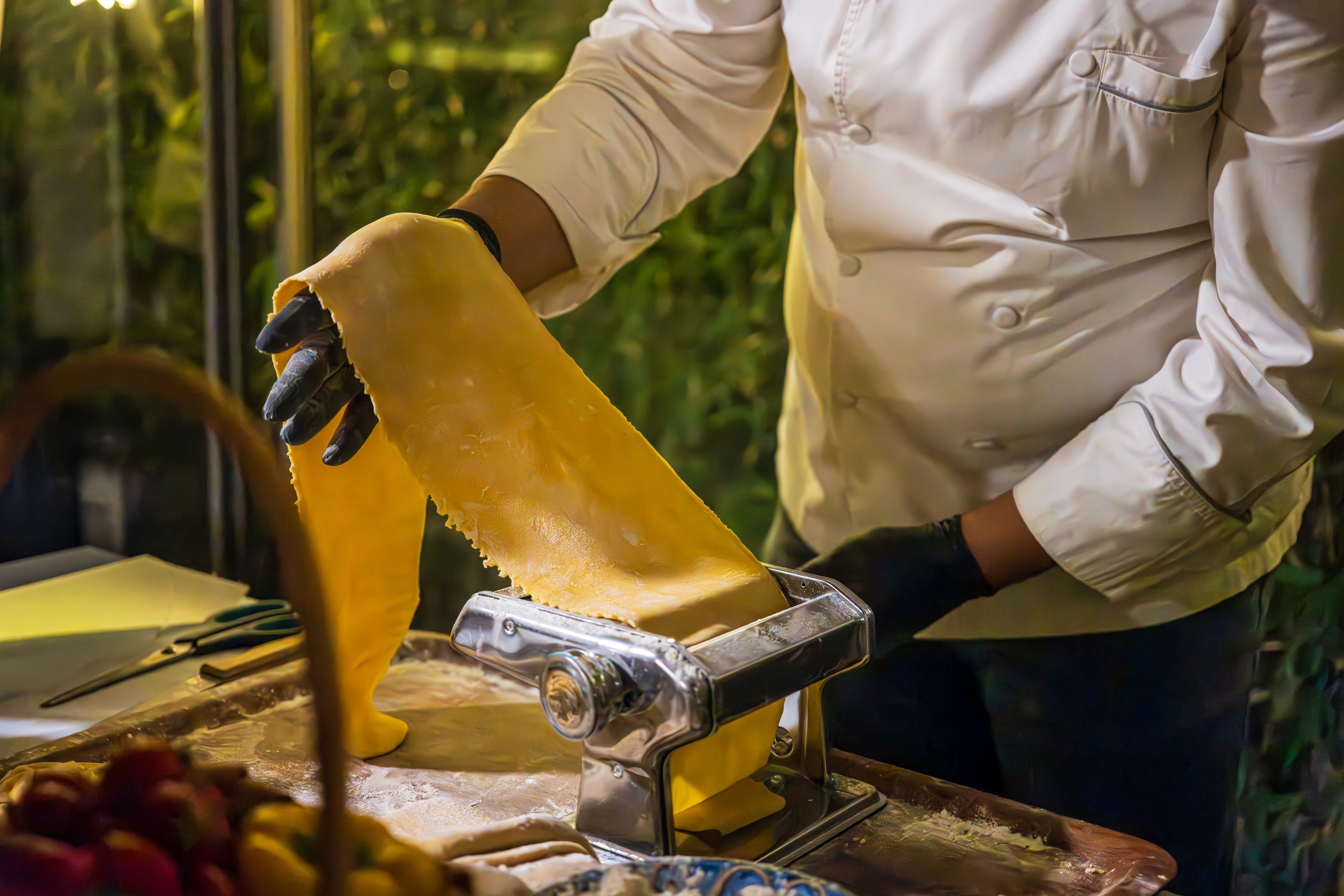
Once your dough has rested, it's time to roll it out. Use a pasta machine for uniform thickness or a rolling pin for a more rustic feel. Begin with the widest setting and gradually move to the thinner settings.
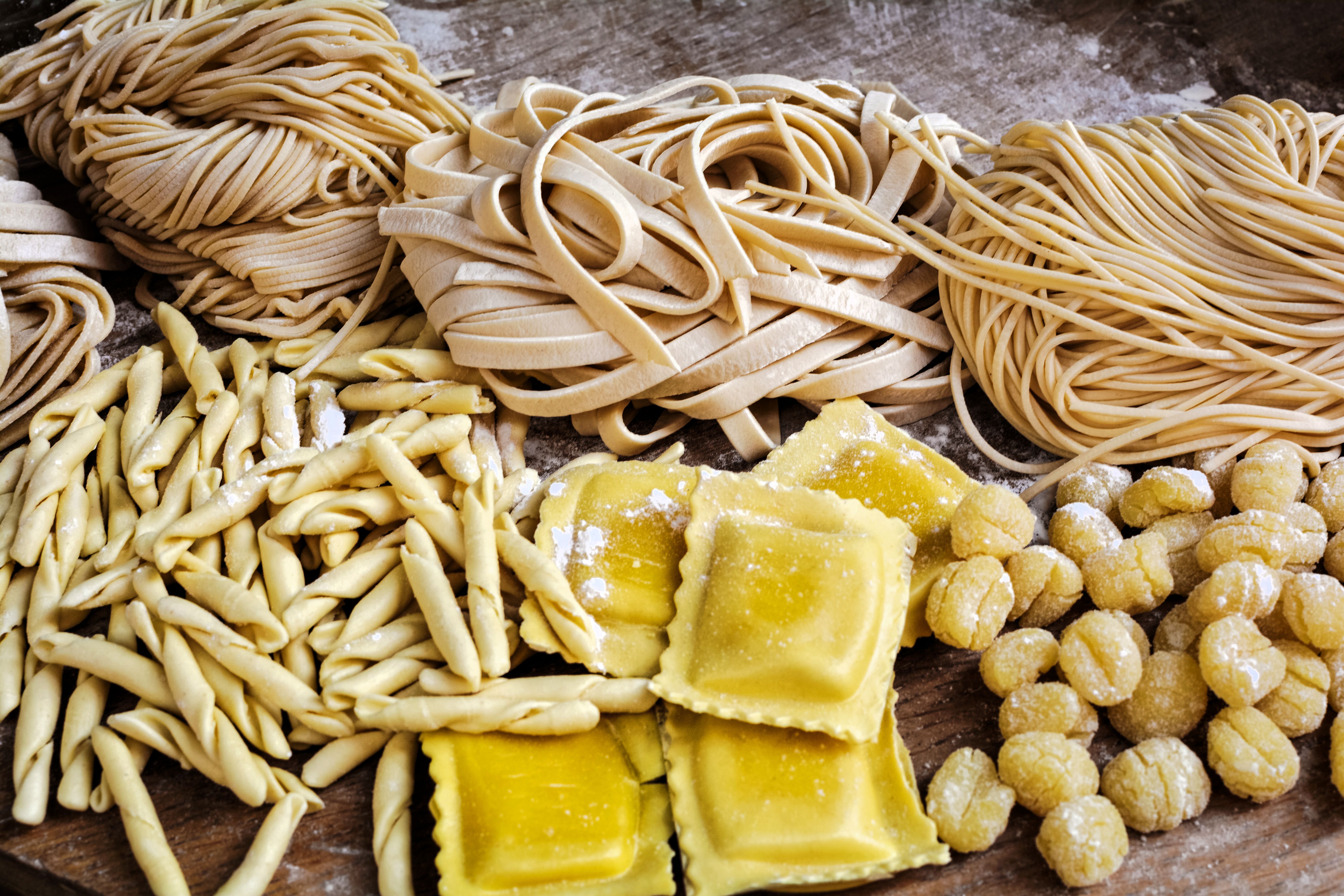
When cutting your pasta, decide on the shape you want. For tagliatelle or fettuccine, roll the dough into a log and slice to your desired width. For ravioli, use a cutter to shape your dough into squares or circles.
Cooking Your Pasta to Perfection
Cooking homemade pasta requires attention to detail. Fresh pasta cooks much quicker than dried, usually in 2-4 minutes. Test for doneness by tasting—al dente is the ideal texture, with a slight bite.
Don't forget to salt your water generously. It should taste like the sea. This is your only chance to season the pasta itself.
Pairing with Sauces
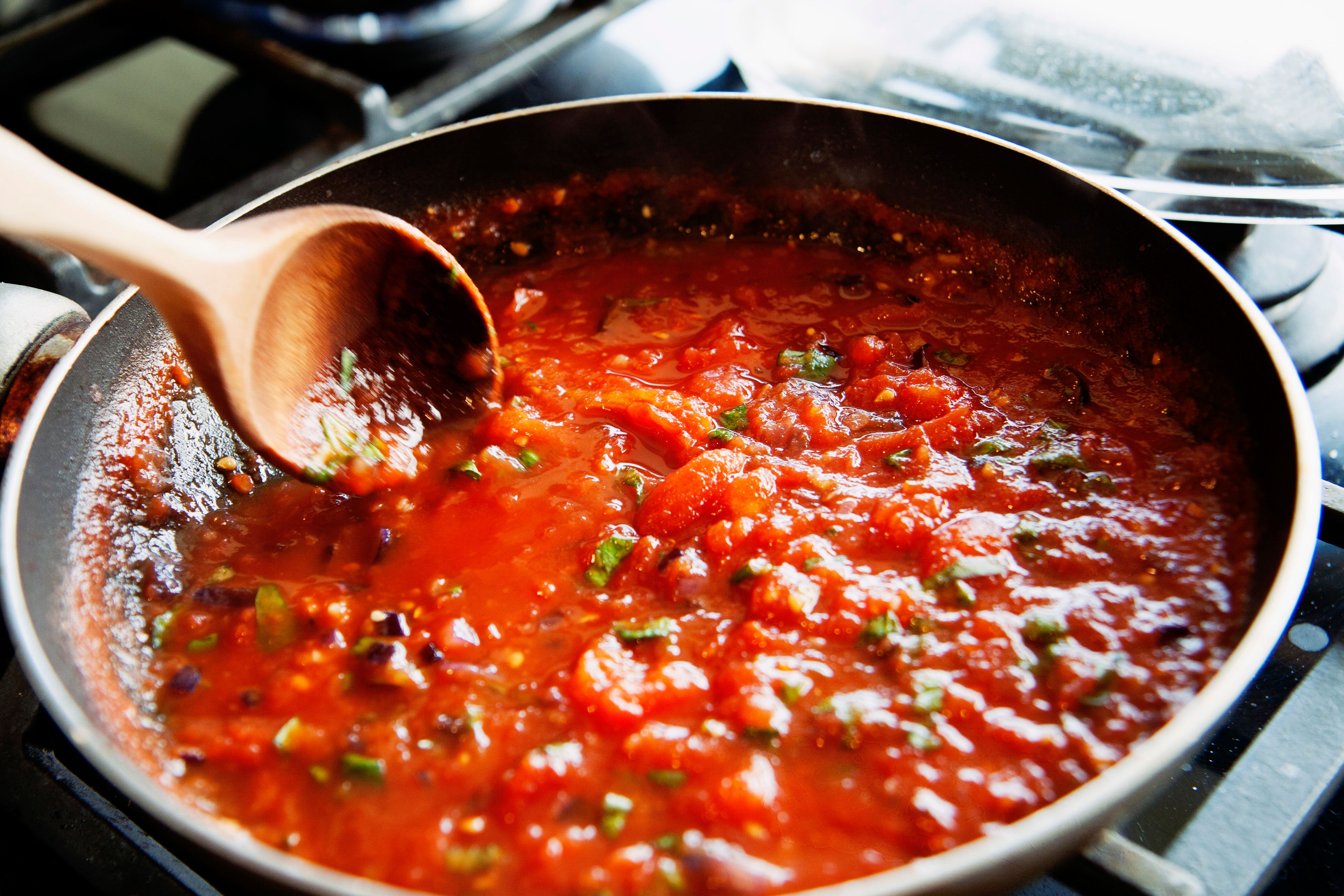
The beauty of homemade pasta is its versatility with sauces. Light sauces like garlic and olive oil enhance the flavor of delicate pasta, while heartier sauces like Bolognese pair well with thicker cuts.
Remember, the key is balance. Let the texture and flavor of your pasta shine while complementing it with a sauce that enhances its qualities.
Storing and Preserving Homemade Pasta
Fresh pasta can be stored in the refrigerator for up to two days. For longer storage, freeze it on a baking sheet before transferring it to a bag. This prevents sticking and preserves freshness.
With these tips from PastaCraft, you're well on your way to mastering the art of homemade pasta. Enjoy the process and savor the delicious results!