Mastering the Art of Homemade Pasta: A Comprehensive Guide


Introduction to Homemade Pasta
Making pasta at home is a rewarding culinary adventure that transforms simple ingredients into a delectable masterpiece. The process is not only satisfying but also allows for customization that store-bought pasta simply can't offer. Whether you're a seasoned chef or a kitchen novice, mastering homemade pasta can elevate your cooking to new heights.
Essential Ingredients and Tools
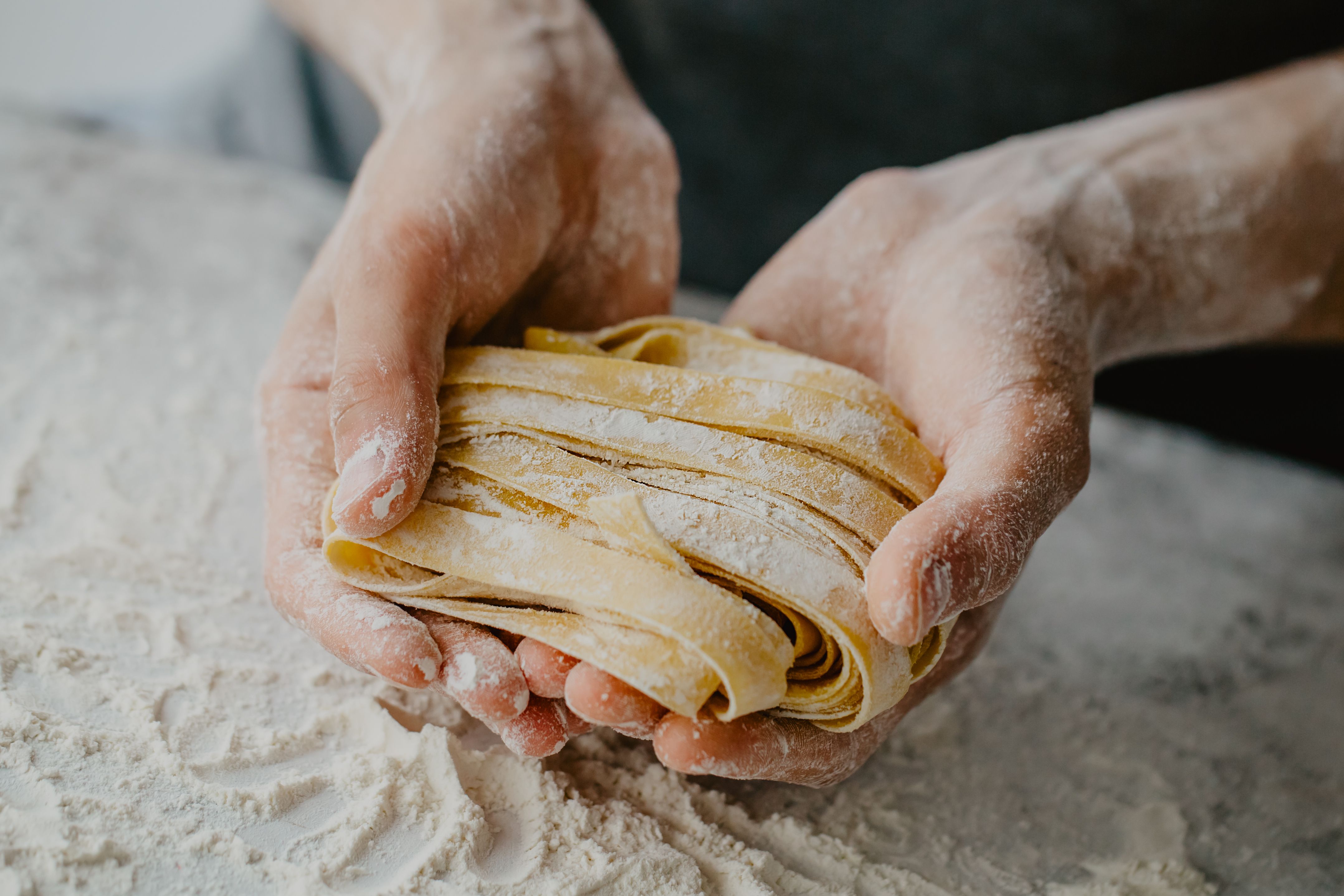
The beauty of homemade pasta lies in its simplicity. At its core, you'll need just a few ingredients: flour, eggs, and a pinch of salt. For those seeking a vegan alternative, water and semolina flour can work wonders. As for tools, a rolling pin and a sharp knife are sufficient for beginners. However, investing in a pasta machine can make the process more efficient and produce more consistent results.
Choosing the Right Flour
Choosing the right flour is crucial for perfect pasta. All-purpose flour works well, but for a more authentic texture, consider using "00" flour, which is finely ground and ideal for pasta making. Semolina flour, made from durum wheat, adds a delightful firmness to the pasta.
The Art of Kneading and Resting
Kneading the dough is a critical step in developing the gluten structure that gives pasta its elasticity. Spend about 8-10 minutes kneading until the dough is smooth and elastic. Once kneaded, allow the dough to rest for at least 30 minutes. This resting period relaxes the gluten, making it easier to roll out the pasta.
Rolling and Cutting Techniques
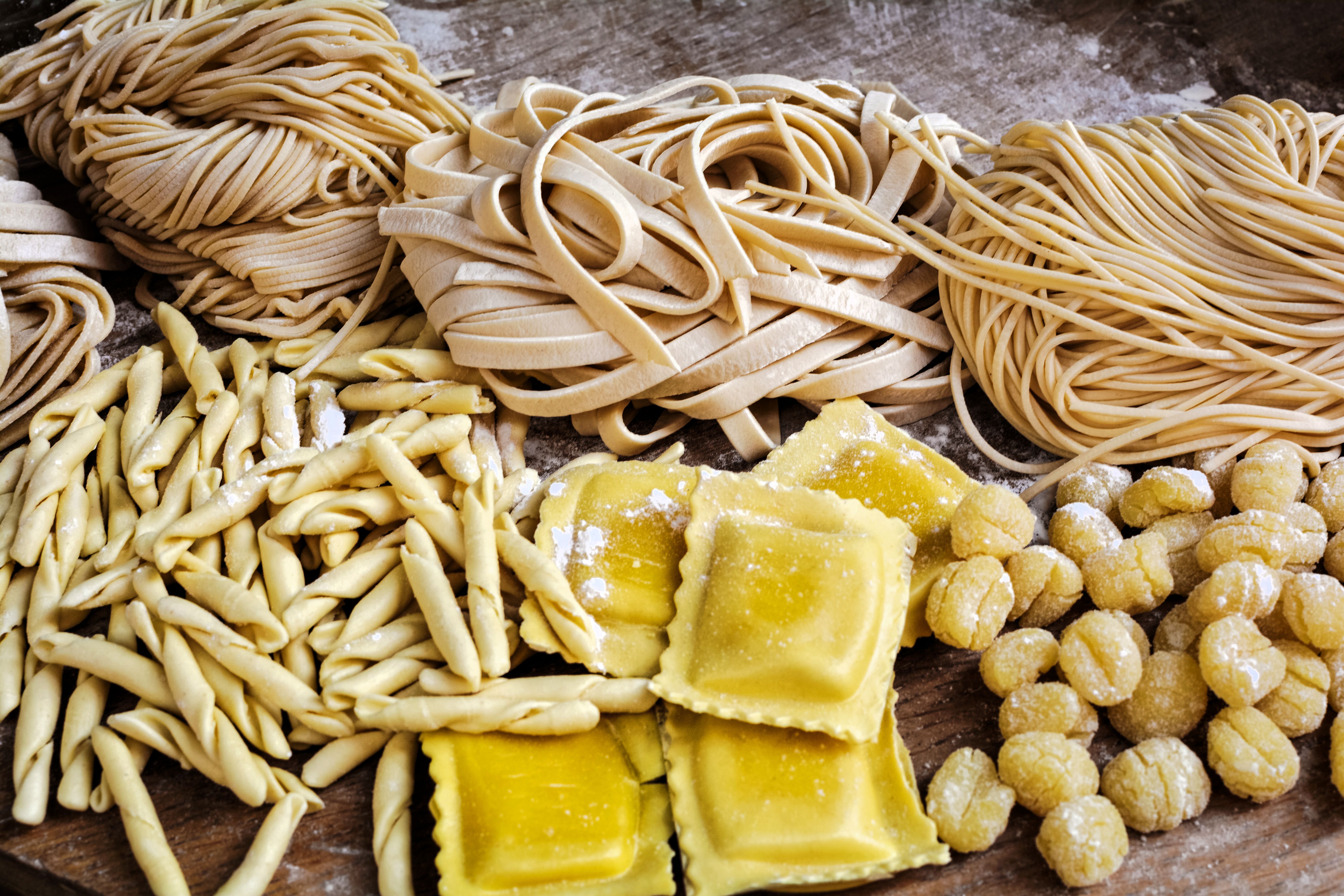
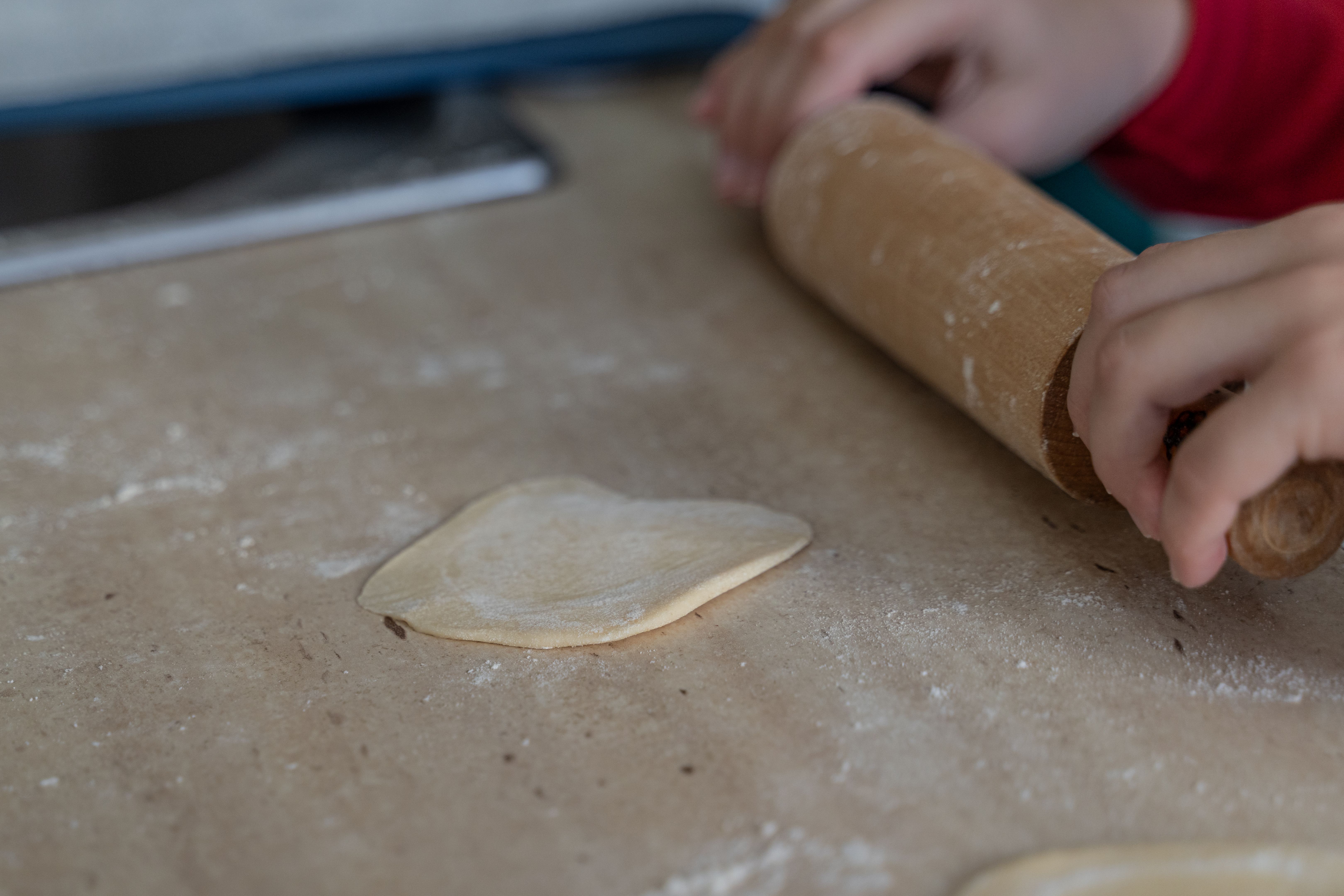
Rolling out the dough can be done by hand or with a pasta machine. Aim for a thin sheet that allows light to pass through. Once rolled, the dough can be cut into various shapes like fettuccine, tagliatelle, or even ravioli. Experimenting with different shapes can add variety to your pasta dishes.
Cooking and Storing Homemade Pasta
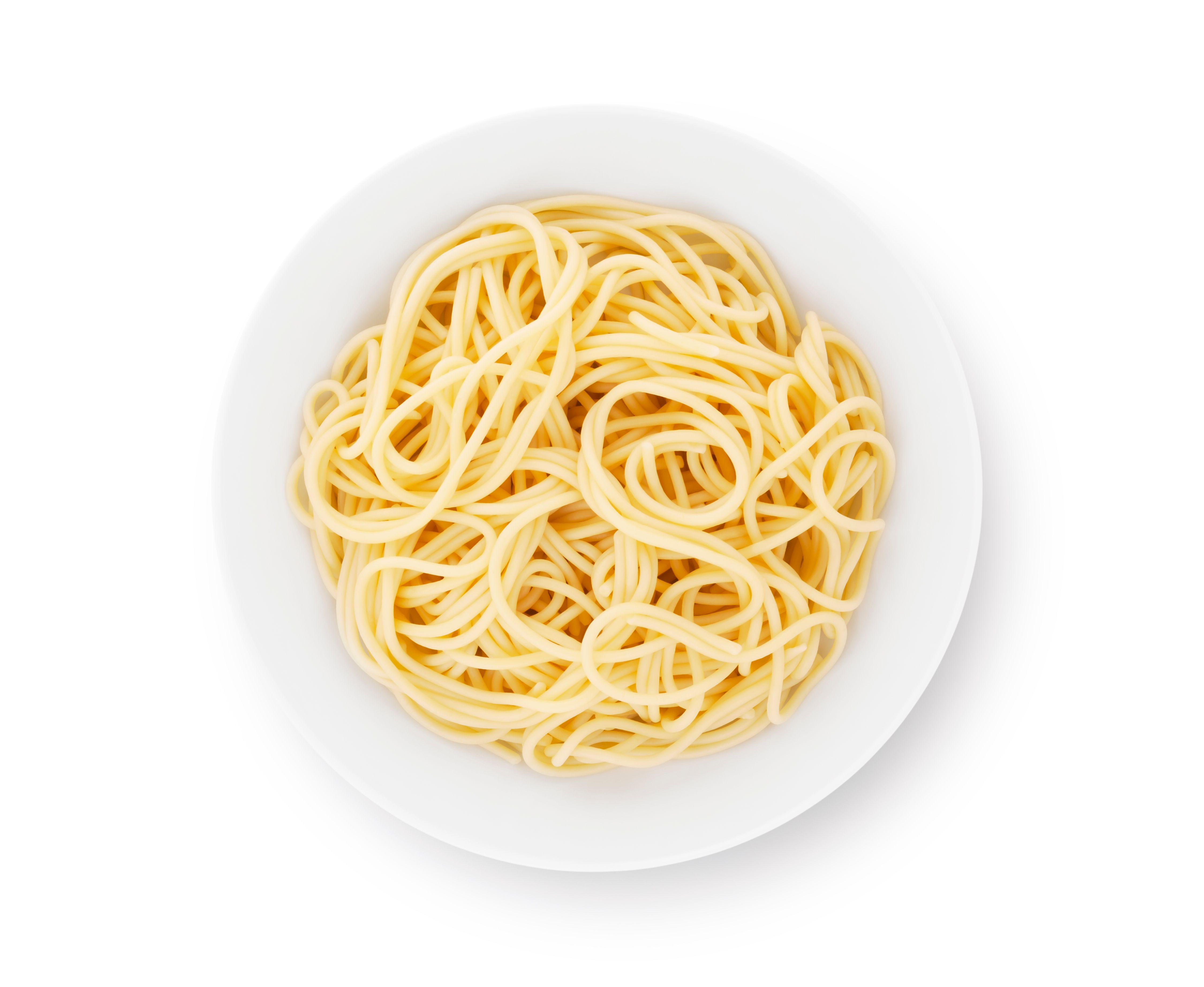
Freshly made pasta cooks much faster than dried pasta, usually in just 2-4 minutes. It's crucial to keep an eye on it to avoid overcooking. If you have leftovers, dry the pasta on a rack and store it in an airtight container for future use. Fresh pasta can also be frozen for longer storage.
Pairing with the Perfect Sauce
A great pasta deserves an equally great sauce. Light sauces like aglio e olio or simple tomato and basil complement the delicate texture of fresh pasta. For a richer experience, try pairing with a creamy Alfredo or a robust Bolognese.
Conclusion: Enjoying Your Culinary Creation
There's nothing quite like the satisfaction of indulging in pasta you've crafted with your own hands. The process of making homemade pasta not only enhances your cooking skills but also connects you to a rich culinary tradition. So, gather your ingredients, roll up your sleeves, and embark on the delightful journey of homemade pasta making.