Mastering the Art of Handmade Pasta: A Beginner's Guide


Discovering the Joy of Handmade Pasta
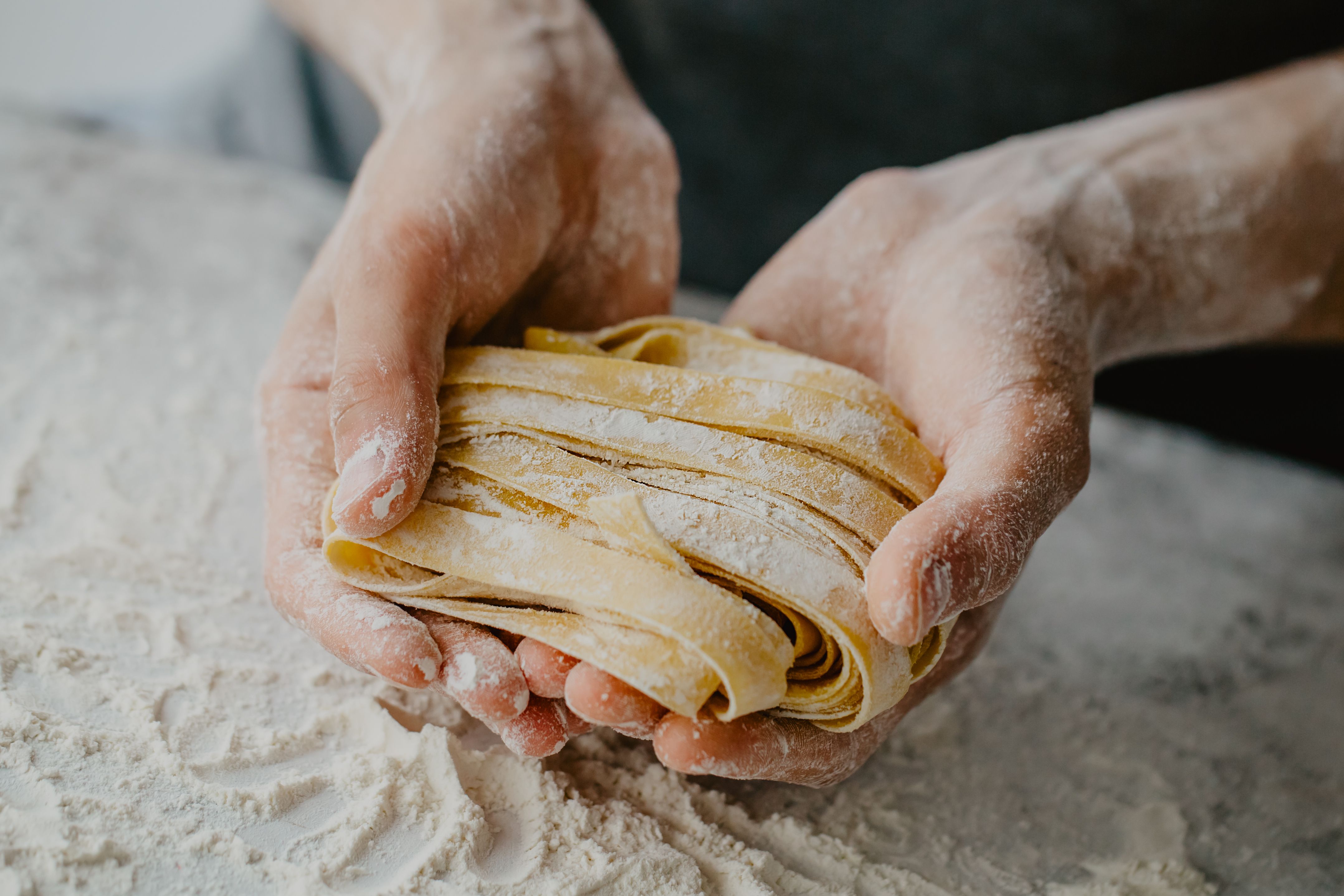
There's something truly magical about making pasta by hand. The combination of simple ingredients, the rhythmic process of kneading dough, and the satisfaction of creating something delicious from scratch make it a rewarding culinary adventure. For beginners, mastering the art of handmade pasta might seem daunting, but with a little patience and practice, anyone can become a pasta-making pro.
Getting Started: The Basic Ingredients
To make fresh pasta, you'll need only a few ingredients: flour, eggs, and a pinch of salt. The type of flour you choose can affect the texture of your pasta. Traditional Italian recipes often use semolina or '00' flour, known for its fine texture. However, all-purpose flour can also work well for beginners. Remember, the quality of your ingredients will influence the final product, so choose fresh, organic eggs whenever possible.
Essential Tools for Pasta Making
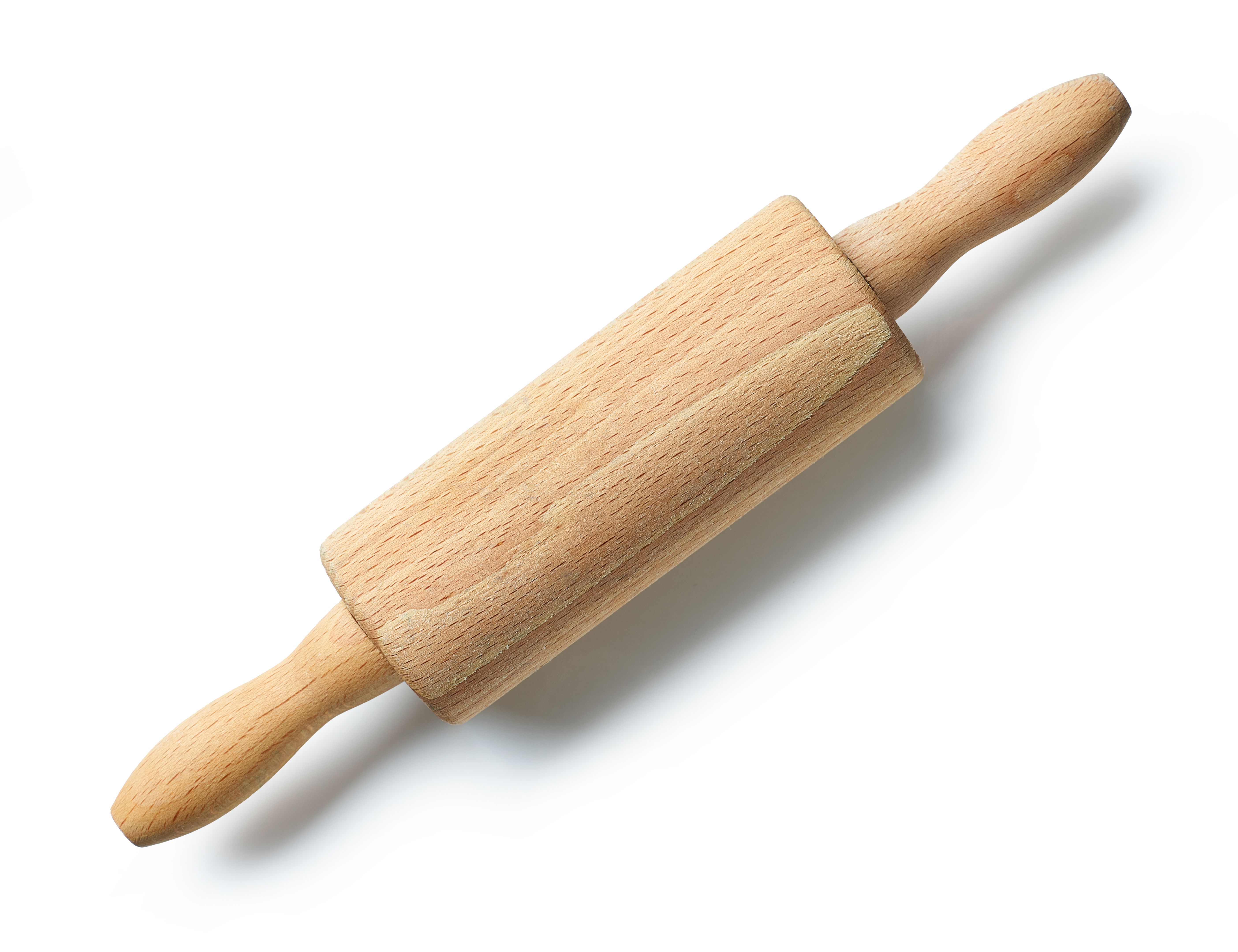
While you don’t need a lot of equipment to make pasta, a few tools can make the process easier. A pasta machine is a worthwhile investment, especially if you plan to make pasta regularly. It helps achieve the perfect thickness for your dough. A rolling pin and a sharp knife or a pasta cutter are also essential for shaping your pasta. If you don’t have a pasta machine, don’t worry—many types of pasta can be made by hand.
The Art of Kneading and Resting the Dough
Kneading the dough is a crucial step in pasta making. It develops the gluten, giving the pasta its elasticity and strength. Start by combining your flour and eggs in a bowl, then transfer the mixture to a floured surface. Knead the dough until it becomes smooth and elastic, which usually takes about 10 minutes. Once kneaded, wrap the dough in plastic wrap and let it rest for at least 30 minutes. This allows the gluten to relax, making it easier to roll out.
Rolling and Shaping Your Pasta
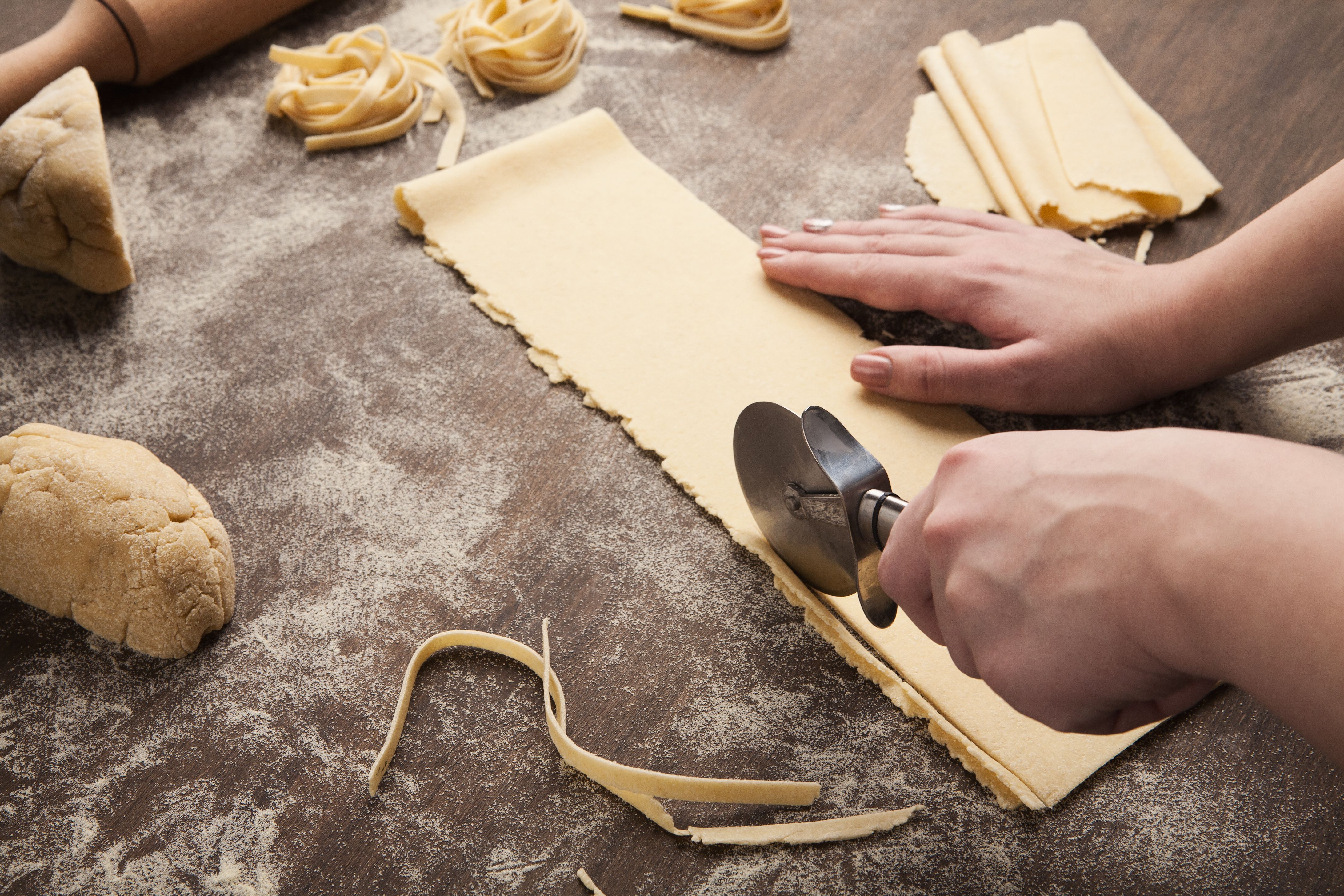
After resting, it's time to roll out your dough. Using a pasta machine or rolling pin, work the dough to your desired thickness. Start with thicker settings and gradually move to thinner ones. The type of pasta you want to make will determine the thickness. For example, tagliatelle and fettuccine are typically thicker, while lasagna sheets are thinner. Cut the rolled-out dough into your preferred shapes using a sharp knife or pasta cutter.
Cooking and Storing Fresh Pasta
Fresh pasta cooks much faster than dried pasta, typically in just 2-4 minutes. Bring a large pot of salted water to a boil, add your pasta, and stir gently. Taste regularly for doneness, and once cooked, drain and serve immediately with your favorite sauce. If you’re not cooking your pasta right away, you can dry it by hanging it over a pasta rack or freezing it for later use.
Experimenting with Flavors and Shapes
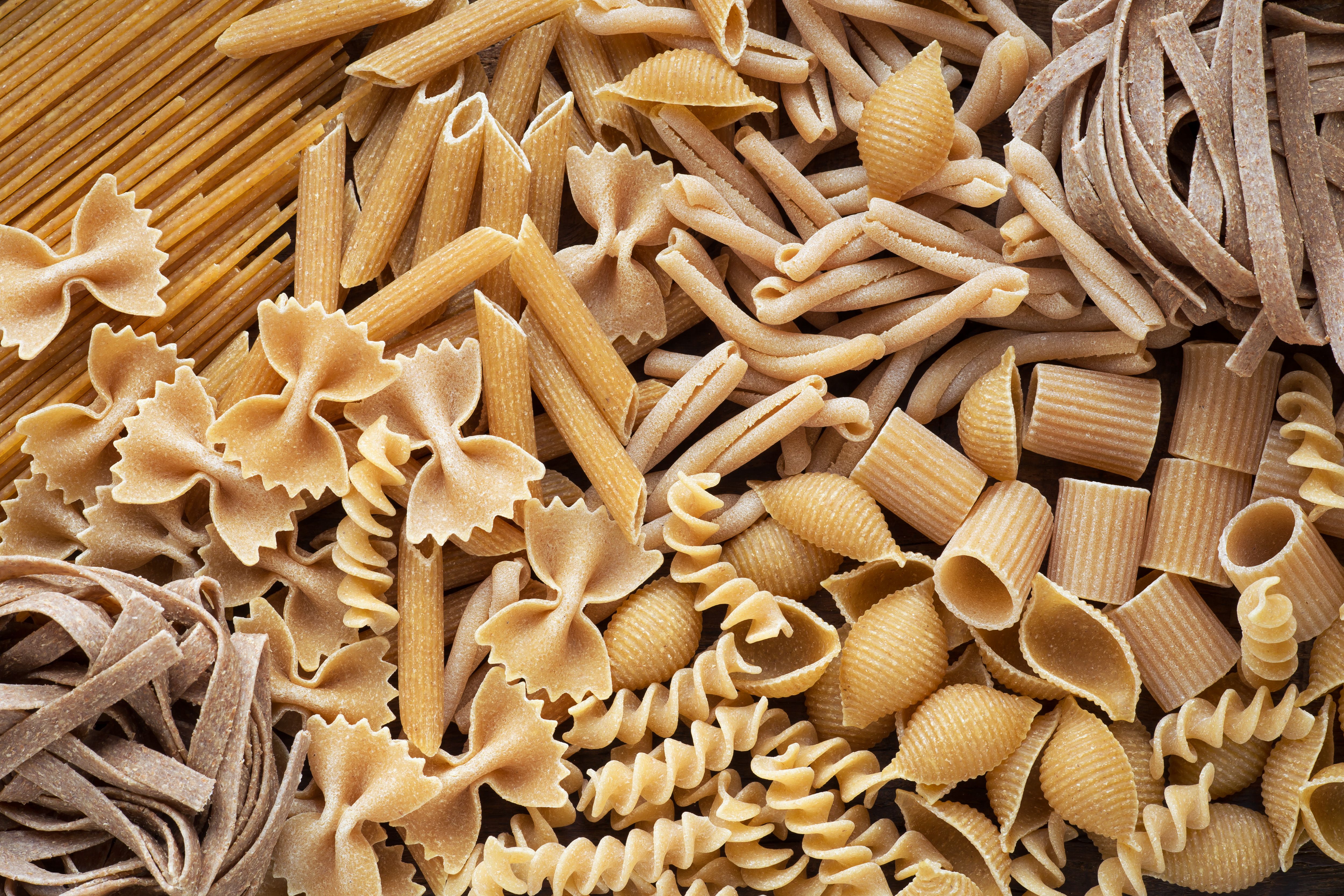
Once you’ve mastered the basics, the possibilities are endless. Experiment with different flours, add herbs or spices to your dough, or try making filled pasta like ravioli. You can also explore various shapes, from classic spaghetti to intricate orecchiette. Let your creativity guide you, and don’t be afraid to try new things.
Conclusion: Embrace the Process
Mastering handmade pasta is all about embracing the process and enjoying the journey of learning. With each batch, you’ll gain more confidence and develop a deeper appreciation for this timeless craft. Whether you’re cooking for yourself or sharing with loved ones, homemade pasta is a delightful way to bring a touch of Italy into your kitchen.