How to Store Fresh Homemade Pasta: Tips for Maximum Freshness


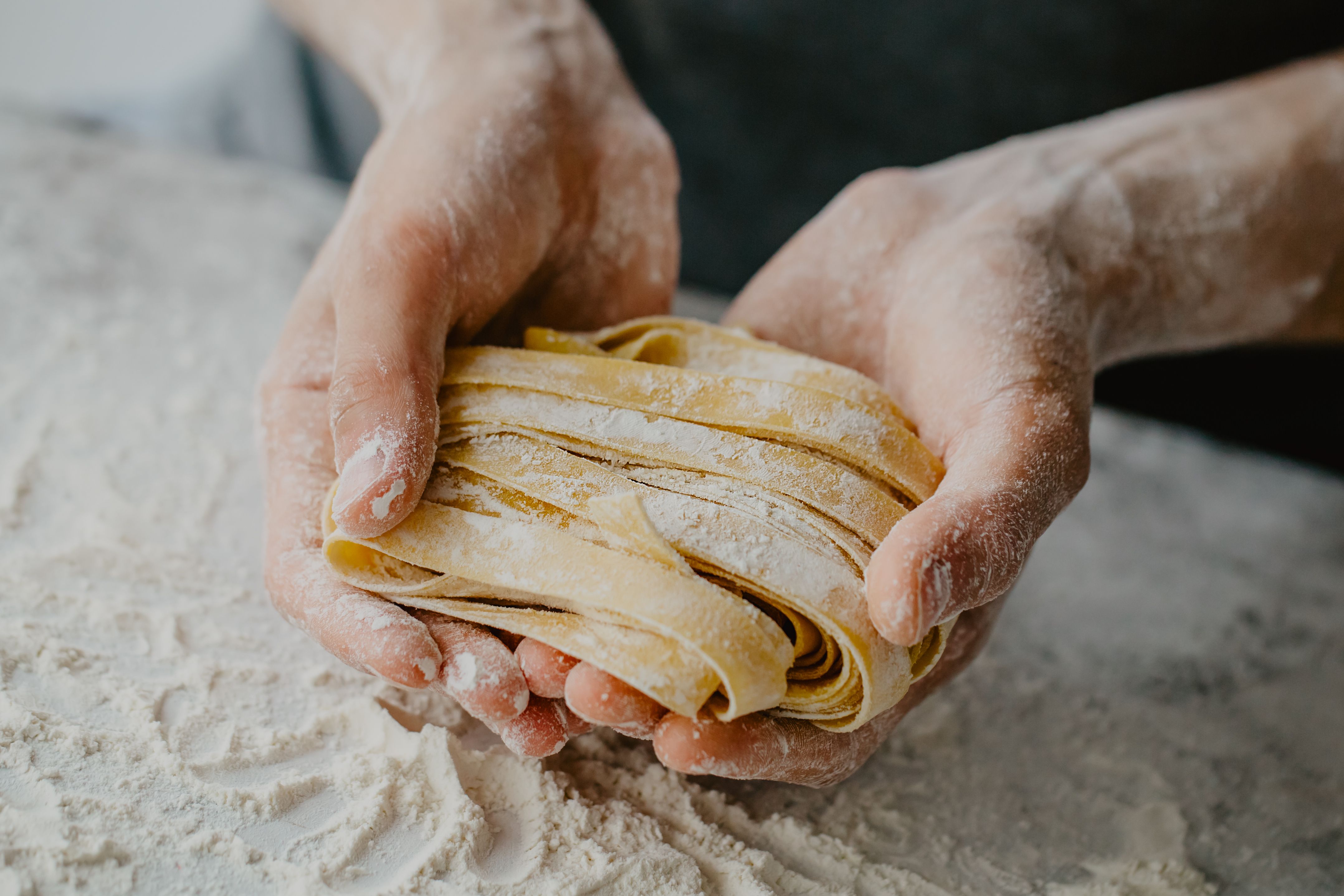
Making fresh homemade pasta is a delightful culinary experience, but knowing how to store it properly is crucial for maintaining its taste and texture. Whether you've made a batch of tagliatelle or ravioli, following the right storage methods will ensure maximum freshness.
Why Proper Storage Matters
Fresh pasta is more delicate than its dried counterpart, as it contains eggs and has a higher moisture content. This makes it prone to spoilage if not stored correctly. By taking the right steps, you can enjoy fresh pasta anytime without compromising on quality.
Immediate Use
If you plan to cook your pasta within the next day, storing it in the refrigerator is your best option. Simply place the pasta on a baking sheet, sprinkle it with a little flour to prevent sticking, and cover it with plastic wrap. This keeps it fresh for up to 24 hours.
Storing Pasta for Longer Periods
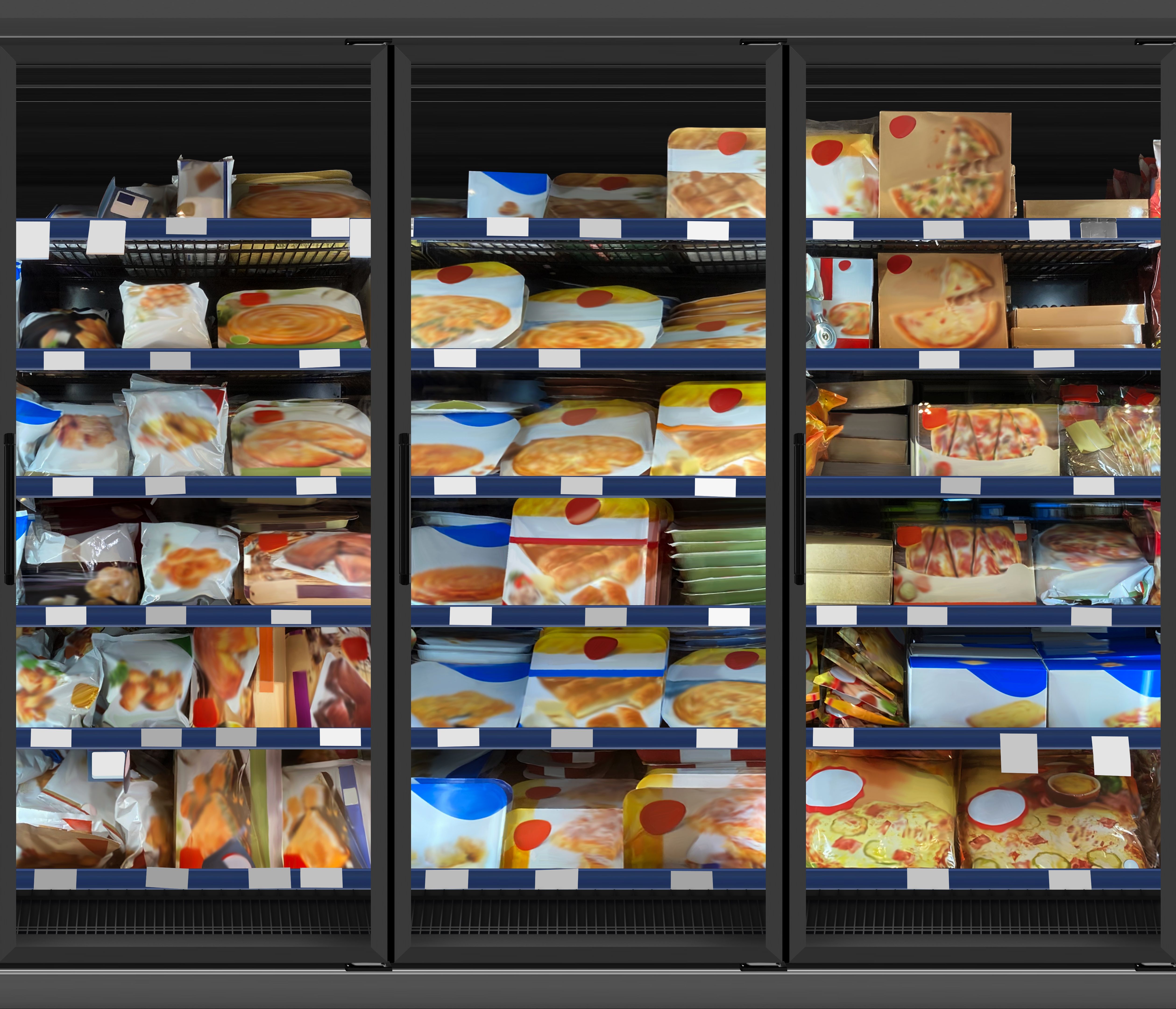
For longer storage, freezing is the ideal method. Begin by laying the pasta flat on a baking sheet in a single layer. Freeze it for about an hour until the pasta is firm. Then, transfer it to airtight containers or freezer bags, removing as much air as possible to prevent freezer burn.
Using a Vacuum Sealer
For even better results, consider using a vacuum sealer. This device removes air from the storage bags, further extending the pasta's shelf life in the freezer. Vacuum-sealed pasta can last up to six months without losing its flavor or texture.
Thawing Frozen Pasta
When you're ready to use your frozen pasta, there's no need to thaw it. Drop it directly into boiling water and cook for an extra minute or two compared to fresh pasta. This ensures the pasta cooks evenly and retains its delightful taste.

Drying Homemade Pasta
If you prefer to store pasta without freezing, drying is another option. Hang the pasta strands on a drying rack for 24-48 hours until completely dry. Once dried, store the pasta in airtight containers in a cool, dark place to preserve its flavor and texture.
Conclusion
By following these methods, you can savor your homemade pasta anytime with the same freshness as when it was first made. Whether you choose to refrigerate, freeze, or dry your pasta, each method has its own benefits to keep your culinary creations at their best.