Common Pasta Making Mistakes and How to Avoid Them


Understanding the Basics of Pasta Making
Pasta making is a delightful culinary art, but even seasoned chefs can stumble upon common mistakes. Whether you're a beginner or an experienced cook, understanding these pitfalls can lead to better results. Let’s explore some frequent errors and how to avoid them.
Overcooking or Undercooking the Pasta
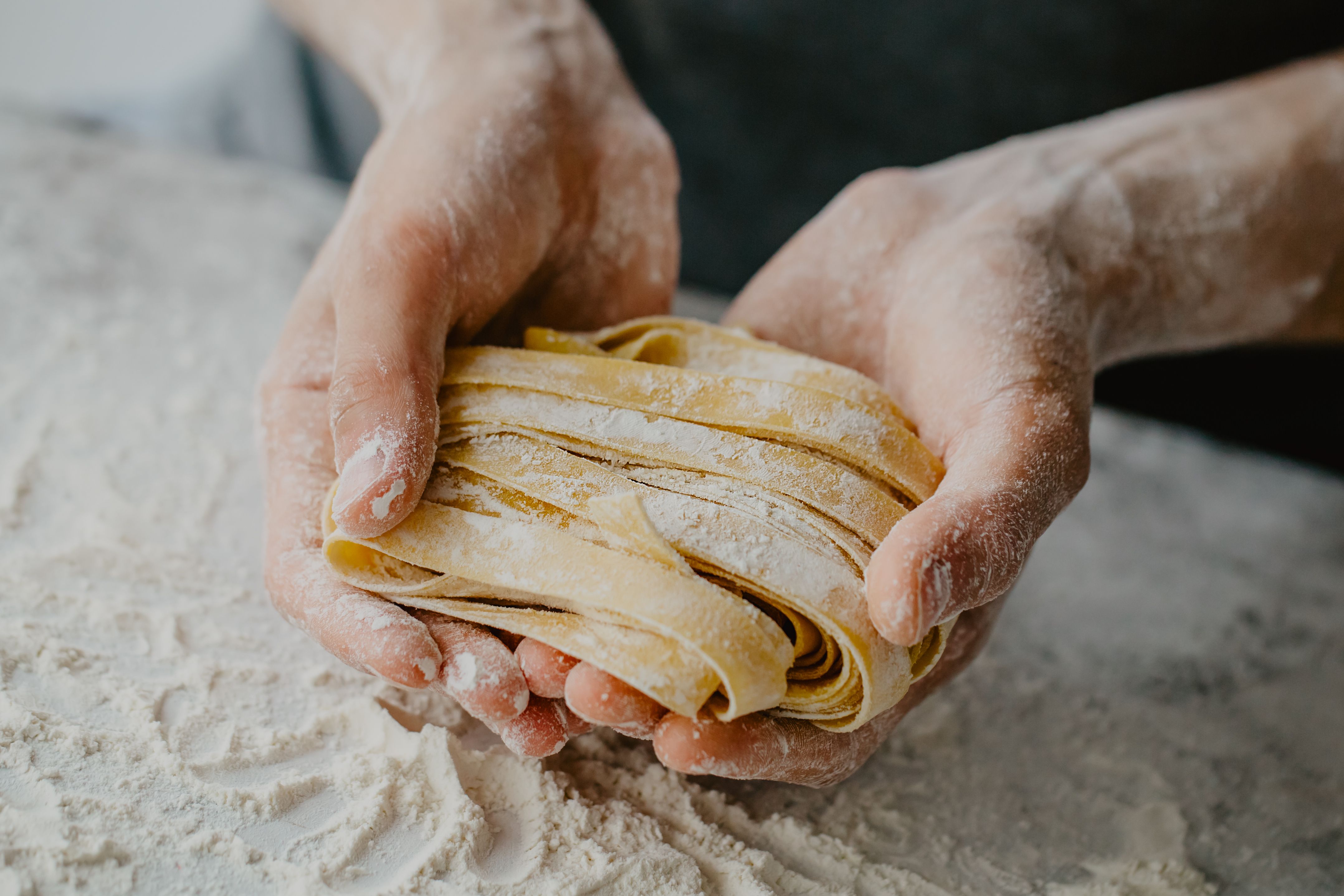
One of the most frequent mistakes is not cooking the pasta to the right texture. Overcooked pasta becomes mushy, while undercooked pasta remains hard. Always follow the package instructions and taste-test a piece a minute or two before the suggested cooking time ends. This ensures you achieve the perfect al dente texture.
Not Using Enough Water
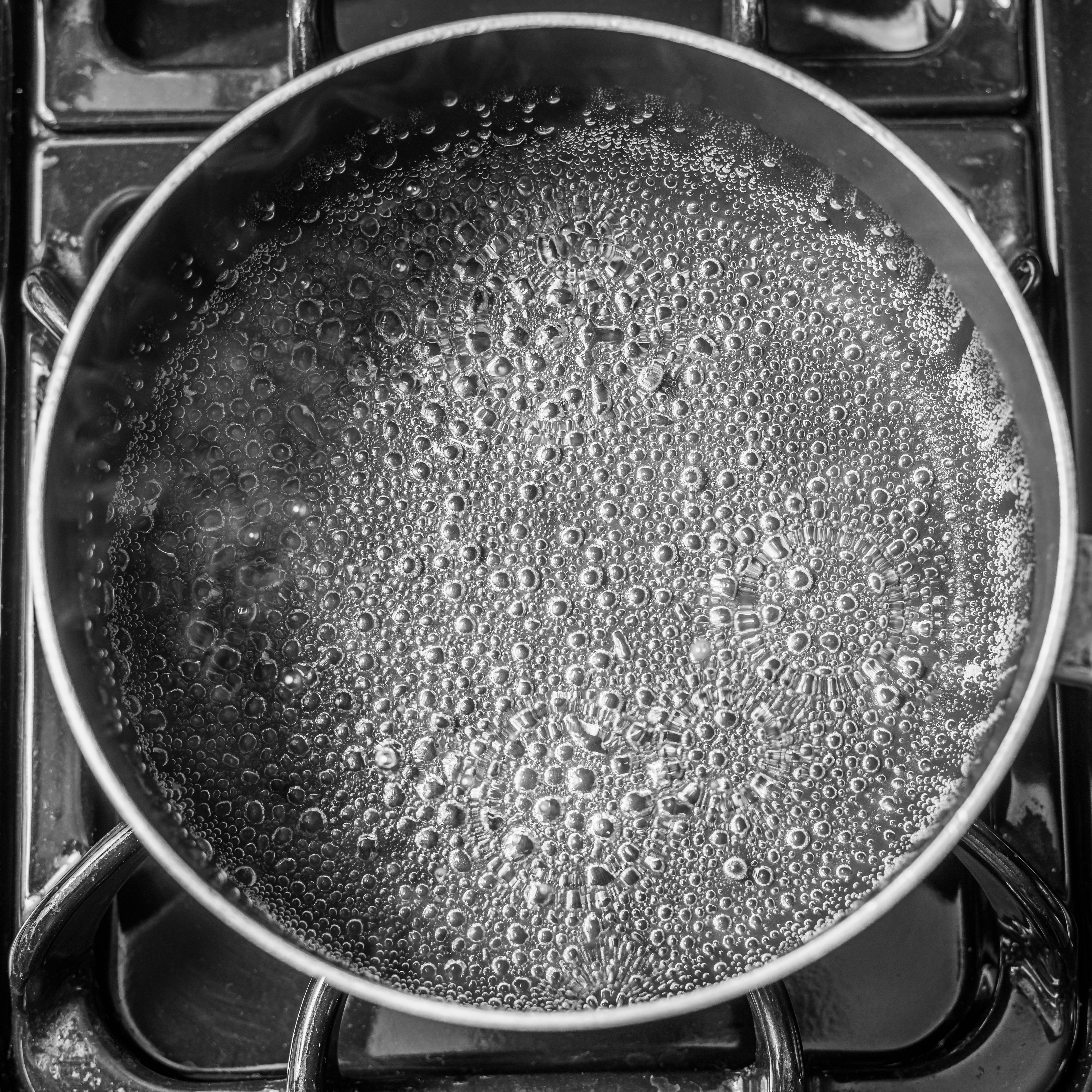
Another common error is using too little water when boiling pasta. This can cause the pasta to stick together and cook unevenly. A general rule of thumb is to use one liter of water for every 100 grams of pasta. This allows the pasta to move freely and cook consistently.
Improperly Salting the Water
Salting the water is crucial for flavorful pasta, but it’s often overlooked. Adding salt enhances the overall taste of the dish. The water should be as salty as the sea, so don’t be shy with the salt shaker. Add it to the boiling water before the pasta goes in.
Skipping the Sauce Finish
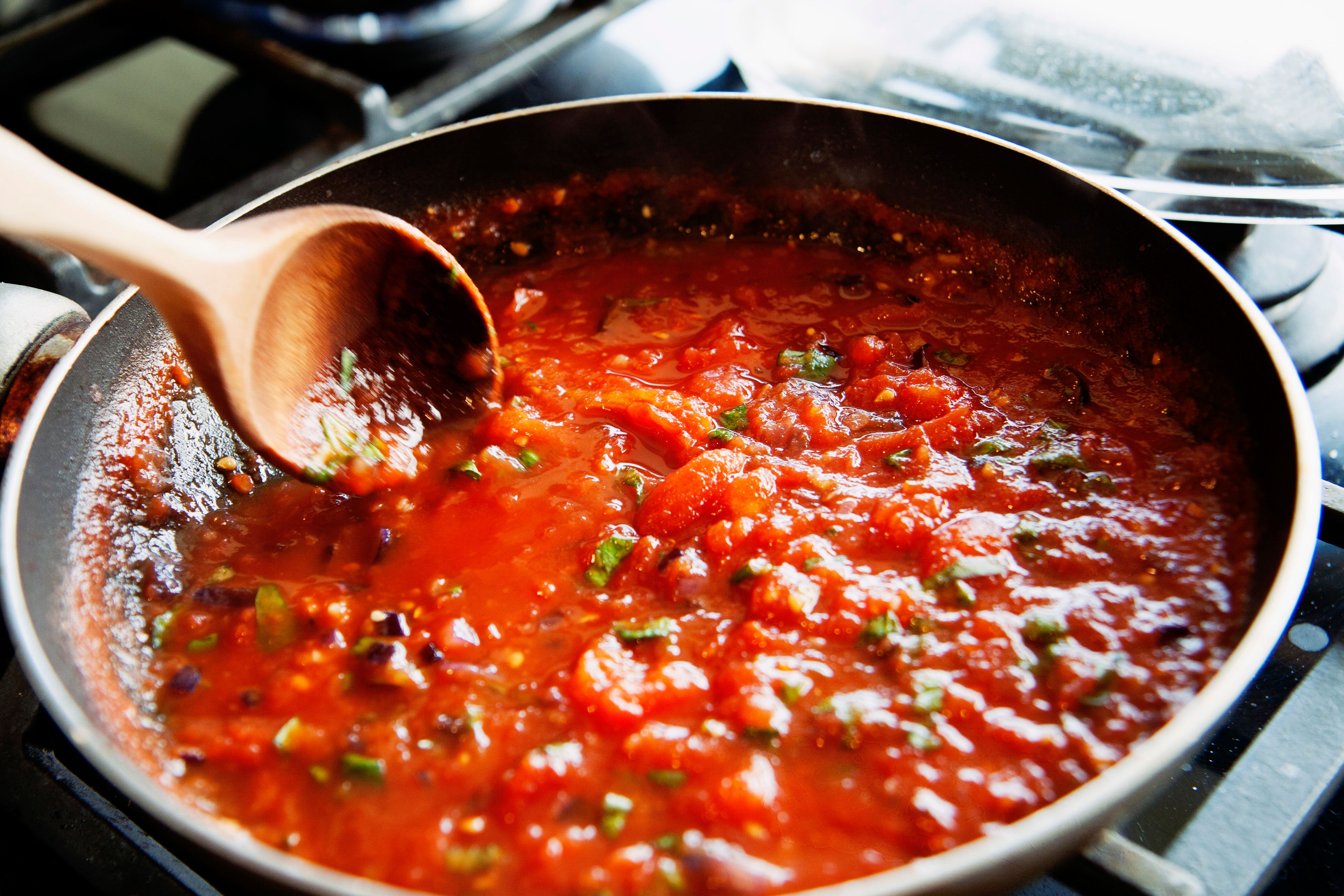
Many people make the mistake of not finishing their pasta in the sauce. Instead of simply pouring sauce over the pasta, combine them in a skillet over low heat. This allows the pasta to absorb the flavors and results in a more cohesive dish.
Rinsing the Pasta
Rinsing pasta may seem like a good idea to stop it from cooking, but it washes away the starch that helps the sauce adhere. Instead, drain it and quickly transfer it to the sauce. If you need to stop the cooking process, use a bit of the pasta water in your sauce.
Ignoring Pasta Water
Pasta water is often considered a magical ingredient. It contains starch from the pasta, which helps thicken and bind the sauce. Save a cup before draining and add it gradually to the sauce if needed. It can transform the texture and flavor of your dish.
- Use the right amount of water and salt.
- Test for al dente texture.
- Finish pasta in the sauce.
By being mindful of these common pasta-making mistakes, you can elevate your cooking skills and enjoy delicious, authentic pasta dishes every time. Remember, practice makes perfect, so don't hesitate to experiment and learn from each cooking session.