Common Mistakes to Avoid When Making Handmade Pasta


Choosing the Right Ingredients
When making handmade pasta, the choice of ingredients is crucial. Many beginners make the mistake of using all-purpose flour instead of the recommended "00" flour or semolina. These flours provide the ideal texture and flavor for pasta. Using the wrong type of flour can result in pasta that's too dense or lacks the desired bite.
Another common mistake is using cold eggs. Eggs should be at room temperature to blend more smoothly with the flour. This simple step can make a significant difference in the dough's consistency.
Kneading the Dough
Kneading is an essential part of the pasta-making process. Many first-timers either over-knead or under-knead their dough. The dough should be kneaded until it's smooth and elastic, which usually takes about 10 minutes of continuous work. A well-kneaded dough will ensure your pasta is tender yet firm.
If you're unsure whether you've kneaded enough, perform the "windowpane test." Stretch a small piece of dough: if it becomes translucent without tearing, it's ready.
Resting the Dough
Skipping the resting phase is a frequent mistake that can lead to tough pasta. Allowing the dough to rest for at least 30 minutes helps the gluten to relax, making it easier to roll out.
Don't rush this step. Cover the dough with a damp cloth or plastic wrap to prevent it from drying out while it rests.
Rolling Out the Dough
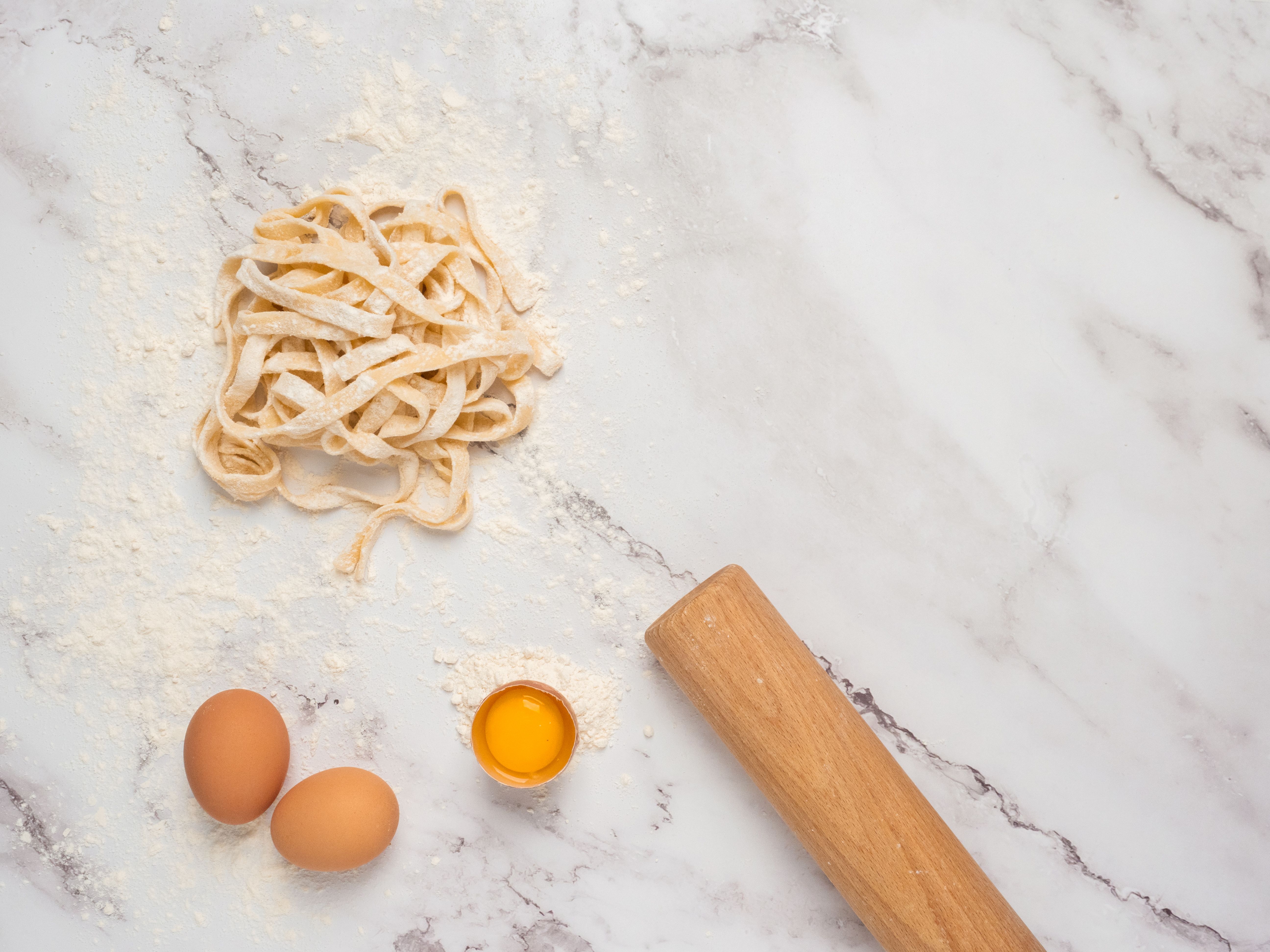
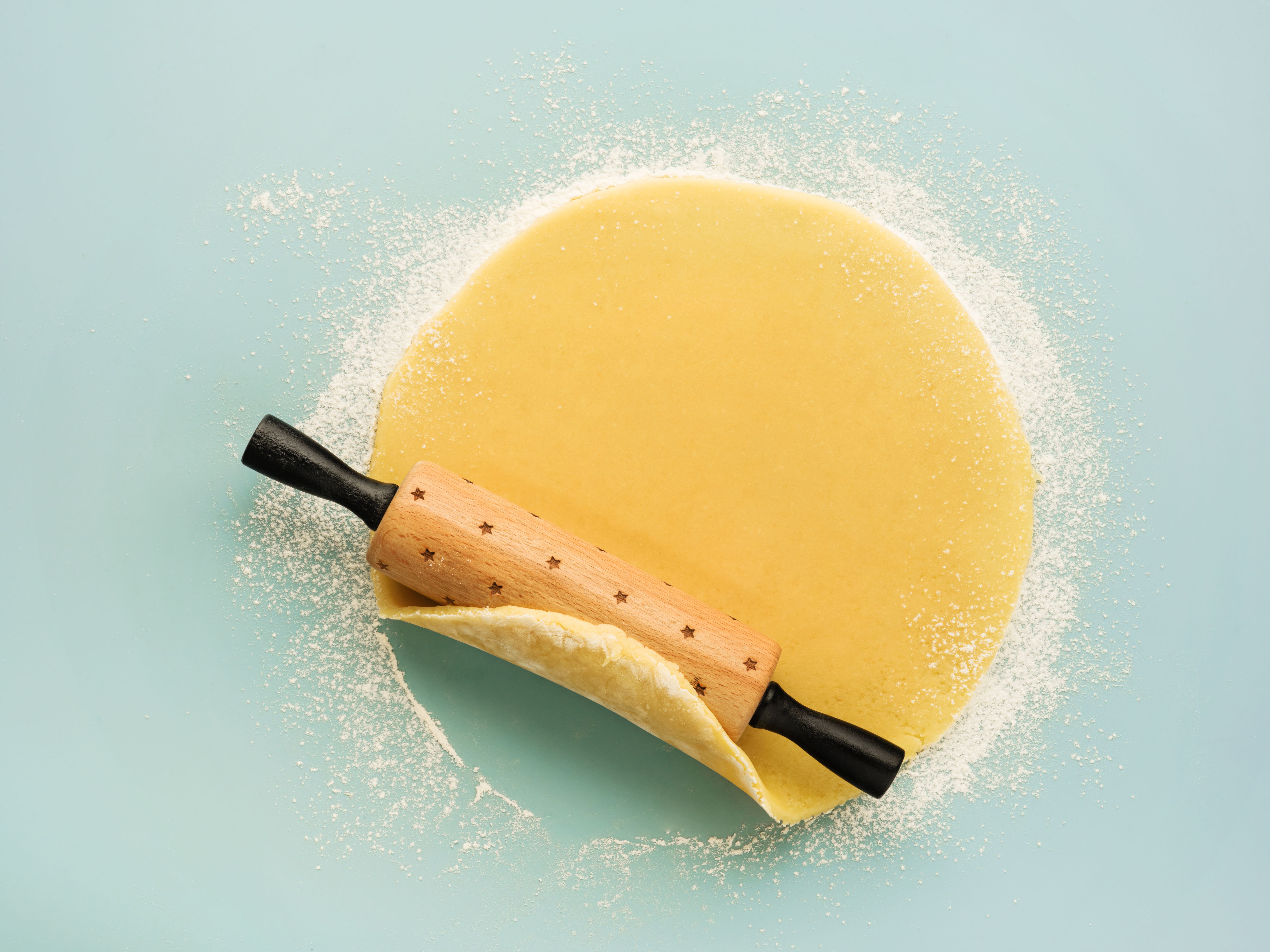
Rolling the dough too thick is another common error. Pasta should be thin enough to almost see through, especially for delicate types like tagliatelle or ravioli. Take your time when rolling out the dough and use plenty of flour to prevent sticking.
If using a pasta machine, start with the widest setting, and gradually move to thinner settings. This method ensures even thickness and better texture.
Cooking the Pasta
Cooking handmade pasta requires attention to timing. Fresh pasta cooks much faster than dried pasta, often in just a few minutes. Overcooking can lead to mushy pasta. Test a piece early to avoid this mistake.
- Use a large pot with plenty of salted water.
- Stir occasionally to prevent sticking.
- Taste for doneness frequently.
Once cooked, drain the pasta immediately and avoid rinsing, as this removes the starches that help sauce adhere.
Storing Fresh Pasta
If you're not cooking the pasta right away, proper storage is key. Lay the pasta on a floured surface or drying rack and allow it to dry slightly before storing. You can then refrigerate it for a day or freeze it for longer storage.
Ensure the pasta is well-floured to prevent sticking and clumping during storage. Proper storage preserves the quality and flavor of your homemade pasta.
By avoiding these common mistakes, you can elevate your pasta-making skills and enjoy a truly authentic homemade experience. Practice makes perfect, so don't be discouraged by initial challenges. With time and patience, you'll master the art of handmade pasta.