The Ultimate Guide to Storing Fresh Homemade Pasta


Understanding Fresh Pasta Storage
Fresh homemade pasta is a culinary delight, offering a texture and flavor that store-bought pasta simply can't match. However, storing it properly is crucial to maintaining its quality. Whether you've made a batch of spaghetti, fettuccine, or ravioli, knowing how to store it can make all the difference.

Immediate Use vs. Later Consumption
If you plan to cook your pasta within a few hours of making it, there's no need for extensive storage procedures. Simply dust the pasta with a bit of flour to prevent sticking and let it rest on a drying rack or a floured surface.
For those looking to store pasta for future use, understanding the best practices for refrigeration and freezing is essential. These methods will help preserve the pasta's freshness and texture.
Refrigerating Fresh Pasta
Refrigeration is ideal for short-term storage. Place your pasta in an airtight container or a zip-lock bag to prevent it from drying out. It's recommended to consume refrigerated pasta within 2-3 days for optimal taste and texture.
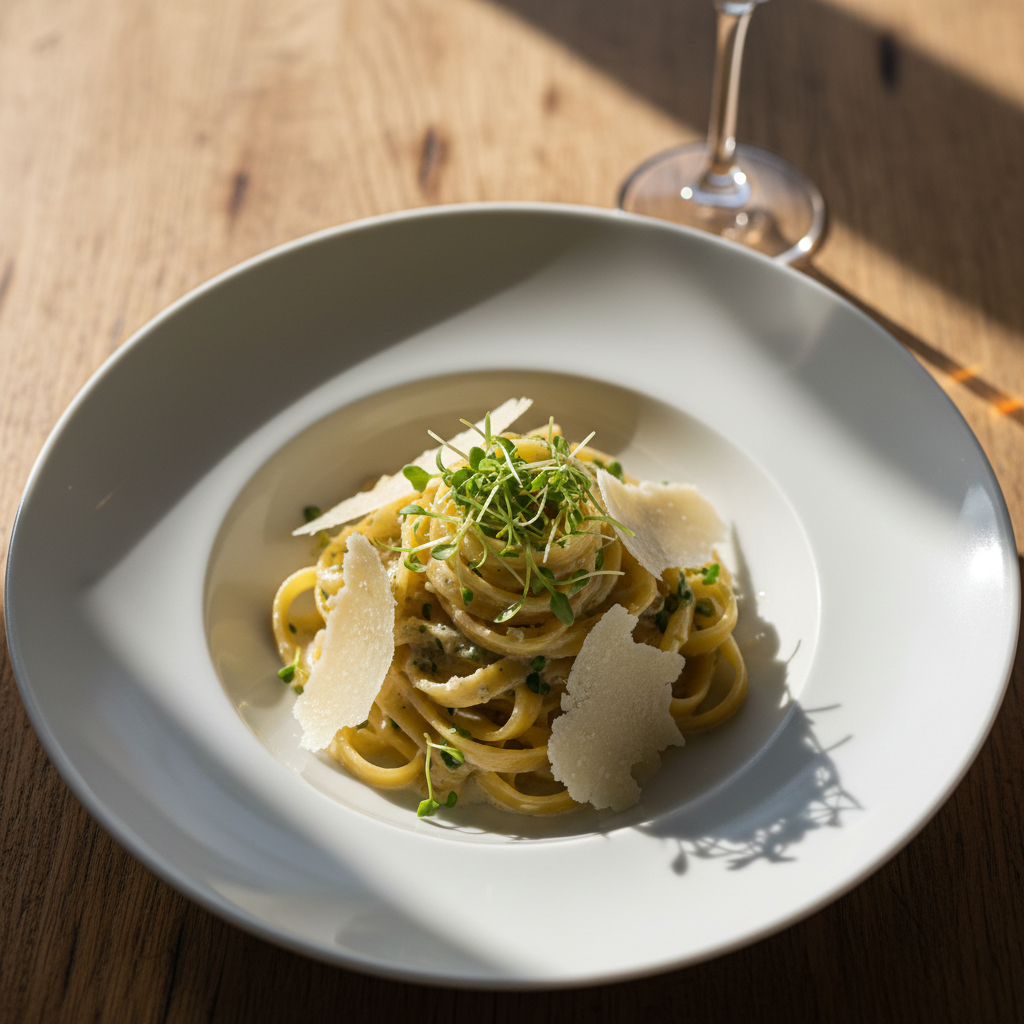
If you've prepared filled pasta like ravioli, lay them in a single layer on a parchment-lined tray before refrigerating. This step prevents them from sticking together.
Freezing for Longer Storage
Freezing is the best option for long-term storage, allowing you to keep pasta for up to three months. To freeze, start by spreading the pasta in a single layer on a baking sheet. Once frozen, transfer it to a freezer-safe bag or container.
When you're ready to cook, there's no need to thaw. Simply add the frozen pasta directly to boiling water. This method helps maintain the pasta's texture and prevents it from becoming mushy.
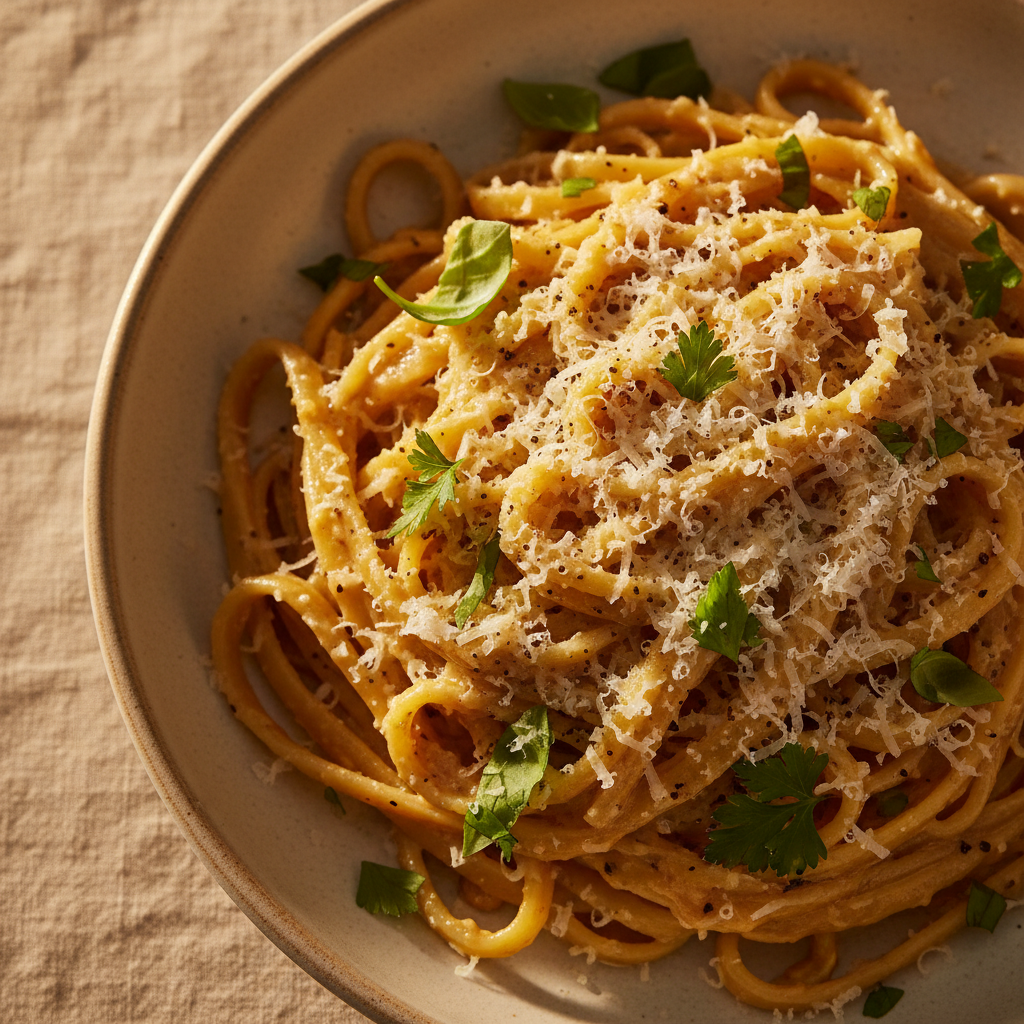
Drying: A Traditional Method
Drying homemade pasta is another effective storage technique, especially for long shapes like spaghetti or linguine. Hang the pasta on a drying rack or lay it flat on a clean surface until it's completely dry.
Once dry, store the pasta in an airtight container. Properly dried pasta can last for several months, making it a convenient option for those who enjoy making pasta in large batches.
Additional Tips for Storing Fresh Pasta
- Avoid moisture: Moisture can ruin the texture and flavor of pasta, so ensure all containers and bags are dry before storing.
- Label your storage: Always label containers with the date of storage to keep track of freshness.
- Use quality materials: Invest in good quality airtight containers or bags to maintain pasta quality.
In conclusion, properly storing fresh homemade pasta is an essential skill for any home cook. By following these guidelines, you can enjoy the delightful taste and texture of your pasta creations whenever you desire.