The Benefits of Fresh Versus Dried Pasta: A Culinary Exploration


Introduction to Fresh and Dried Pasta
Pasta is a staple in many kitchens around the world, celebrated for its versatility and ability to complement a wide array of dishes. While pasta comes in numerous shapes and sizes, a fundamental choice for any chef or home cook lies in selecting between fresh and dried pasta. Both types have unique characteristics that affect flavor, texture, and cooking applications.
In this exploration, we'll delve into the benefits of fresh versus dried pasta, helping you decide which type to use for your next culinary creation.
Understanding Fresh Pasta
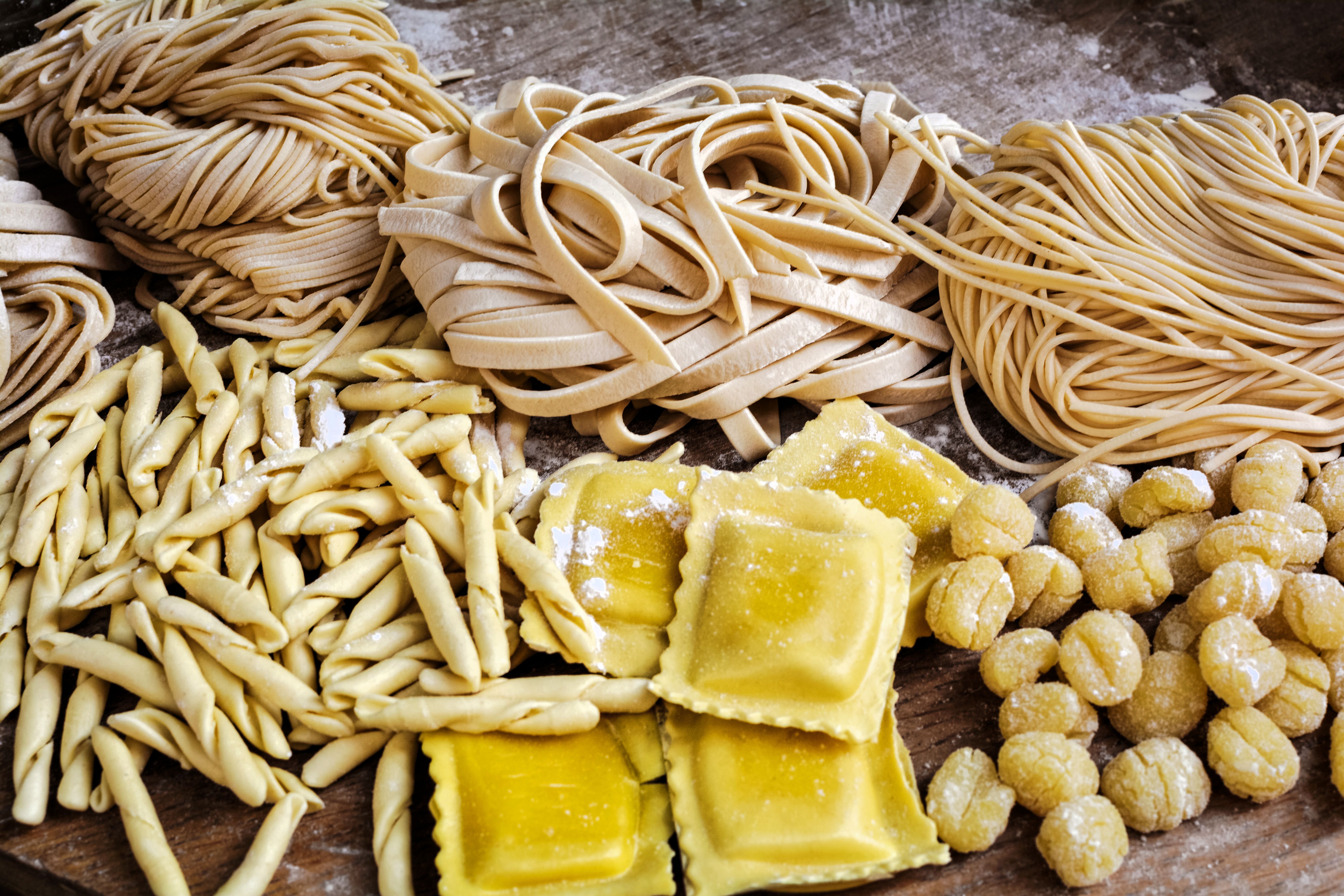
Fresh pasta is typically made from a simple mixture of flour and eggs, giving it a rich, delicate flavor. It is often associated with homemade meals and gourmet dishes. Fresh pasta is best suited for recipes that require a softer texture, such as ravioli or tagliatelle with light sauces.
Benefits of Fresh Pasta
The primary advantage of fresh pasta is its tender texture, which allows it to absorb sauces more effectively. This makes fresh pasta ideal for dishes with light, creamy sauces or delicate ingredients. Additionally, fresh pasta cooks quickly, often in just 2-4 minutes, making it a convenient option for quick meals.
Dried Pasta: A Pantry Staple
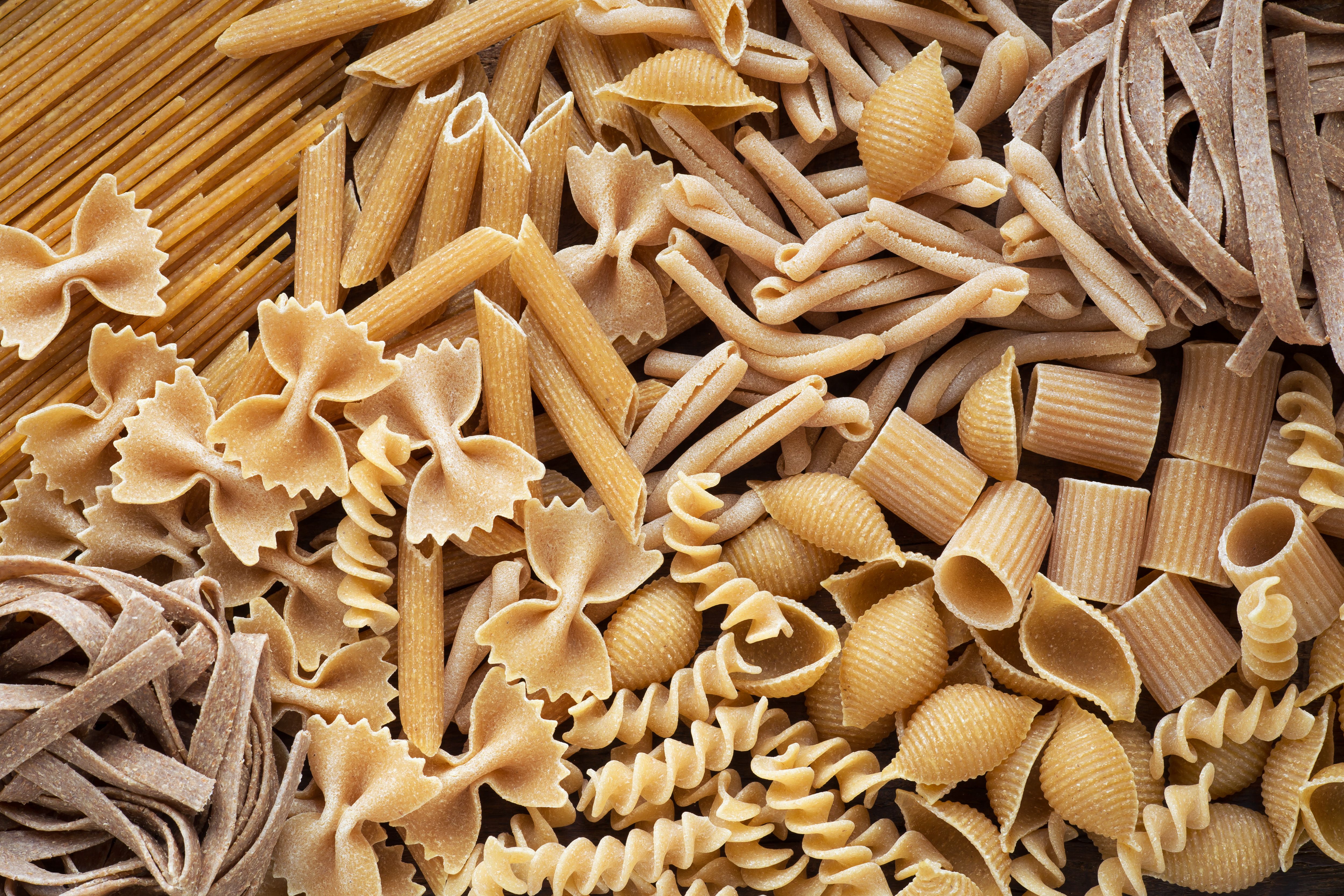
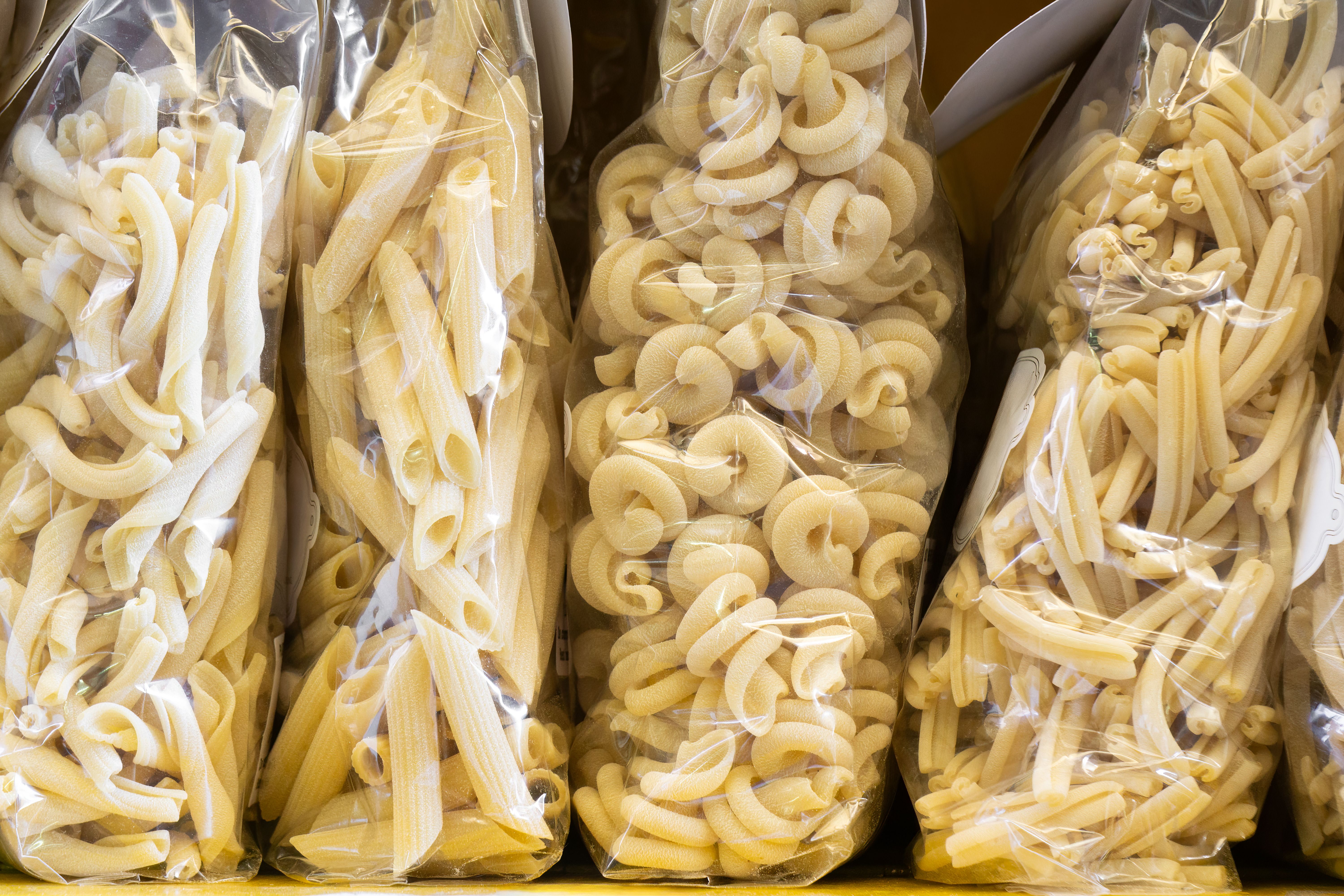
Dried pasta is made from durum wheat and water, which gives it a firmer structure. This type of pasta is a pantry staple due to its long shelf life and versatility. Dried pasta is perfect for heartier dishes, such as those with robust tomato or meat-based sauces.
Benefits of Dried Pasta
One of the most notable benefits of dried pasta is its durability. It can hold up well in dishes like baked ziti or lasagna. Moreover, dried pasta is incredibly versatile, available in a wide range of shapes and sizes, making it suitable for almost any recipe. Its long shelf life also makes it a convenient choice for stocking your pantry.
Comparing Flavor and Texture
When it comes to flavor, fresh pasta often has a richer taste due to the inclusion of eggs. In contrast, dried pasta has a more neutral flavor, allowing it to serve as a blank canvas for robust sauces and ingredients. Texture-wise, fresh pasta is soft and tender, while dried pasta provides a satisfying chewiness.
Choosing the Right Pasta for Your Dish
Ultimately, the choice between fresh and dried pasta depends on the dish you're preparing. For lighter, more delicate dishes, fresh pasta is the way to go. For hearty, sauce-heavy meals, dried pasta is often the better option. Consider the flavor profile and texture you desire when making your selection.
Conclusion
Both fresh and dried pasta have their own unique benefits, making them valuable components of any kitchen. Whether you prefer the tender richness of fresh pasta or the sturdy versatility of dried, understanding the differences can enhance your culinary creations. So, next time you're planning a pasta dish, consider what each type brings to the table and choose accordingly.