Mastering the Art of Pasta Making: Techniques from the Pros


Understanding the Basics of Pasta Making
For many, pasta is a staple of comfort food. It is versatile, delicious, and surprisingly easy to make from scratch. The art of pasta making is not just about mixing flour and water; it involves understanding textures, techniques, and timing. Whether you're a novice or a seasoned chef, mastering pasta making can elevate your culinary skills.
Choosing the Right Ingredients
The foundation of great pasta lies in its ingredients. Traditional pasta dough typically consists of just two ingredients: flour and eggs. However, the type of flour you choose can significantly impact the texture and taste. Many chefs prefer 00 flour for its fine texture, while others opt for semolina for a heartier bite.
When selecting eggs, freshness is key. Fresh eggs provide a richer flavor and a more vibrant color to your dough. Experimenting with different ratios of yolks to whites can also alter the richness of the pasta.
Perfecting the Dough
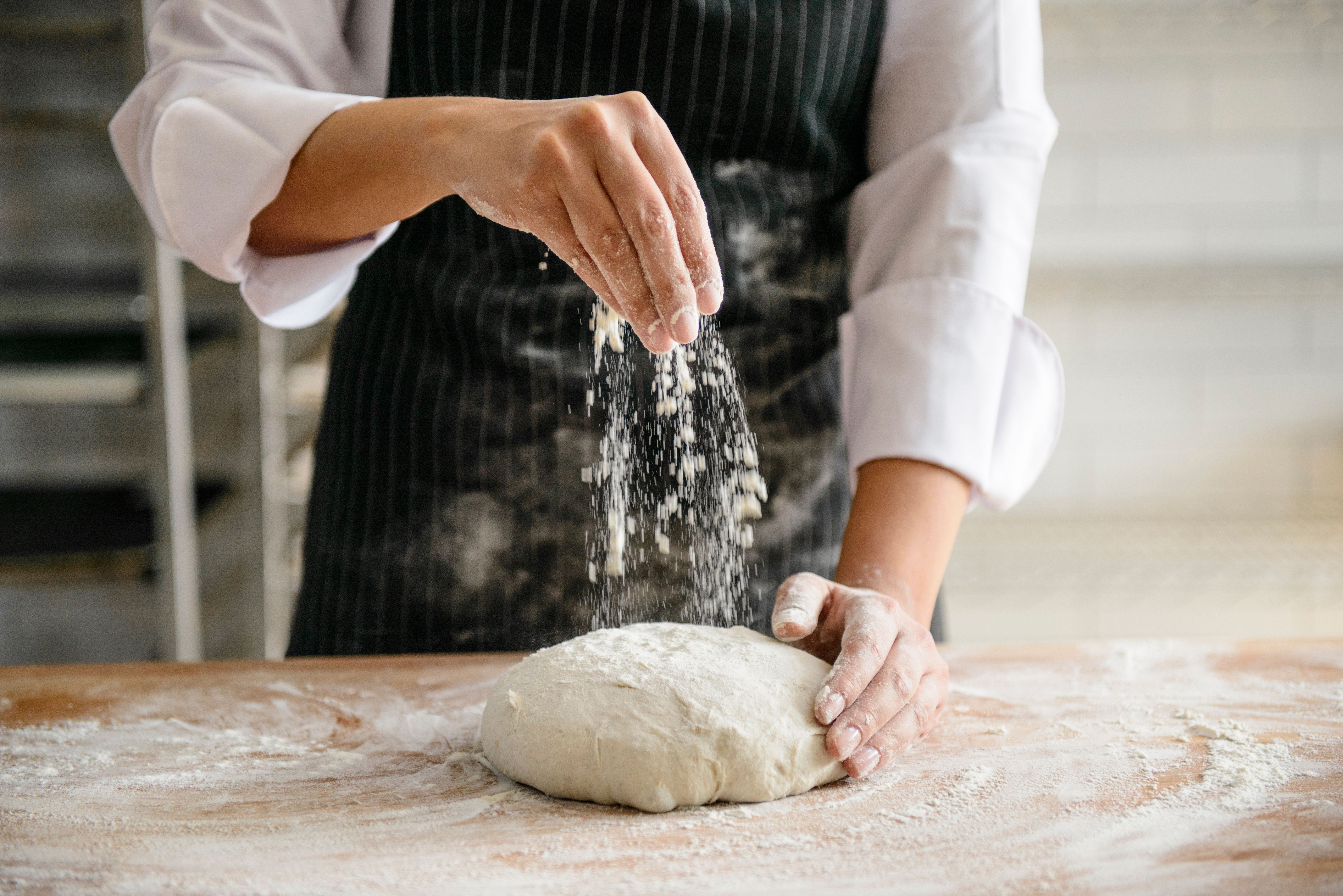
Creating the perfect dough is an art in itself. Start by making a well in the center of your flour, cracking the eggs into the middle. Gradually incorporate the flour into the eggs using a fork, then knead by hand until the dough is smooth and elastic. This process can take anywhere from 8 to 10 minutes and requires patience.
Resting the Dough
Once kneaded, let the dough rest. This step is crucial as it allows the gluten to relax, making it easier to roll out. Wrap the dough in plastic wrap and let it rest at room temperature for at least 30 minutes. Some chefs suggest resting it for up to two hours for optimal results.
Rolling and Shaping
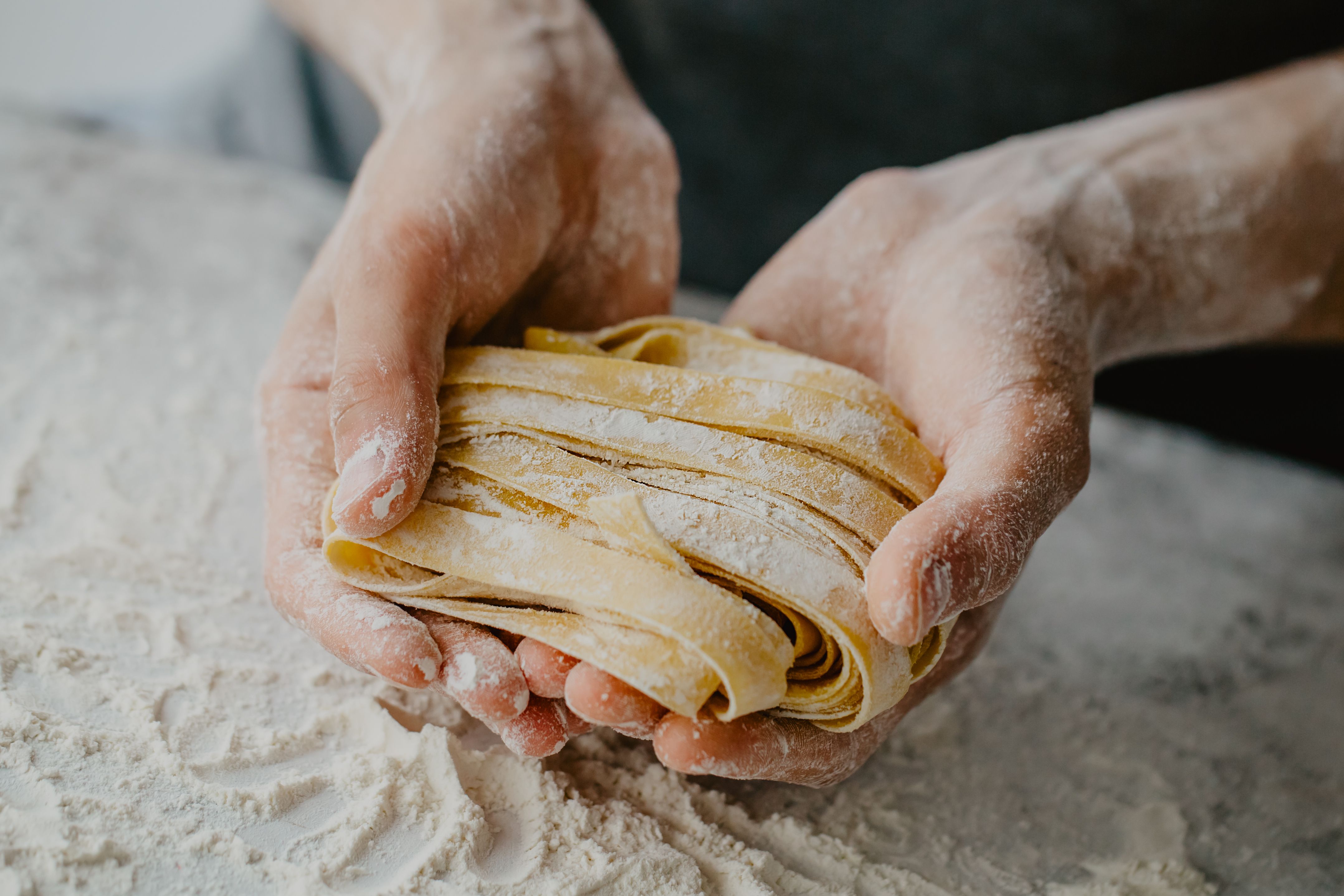
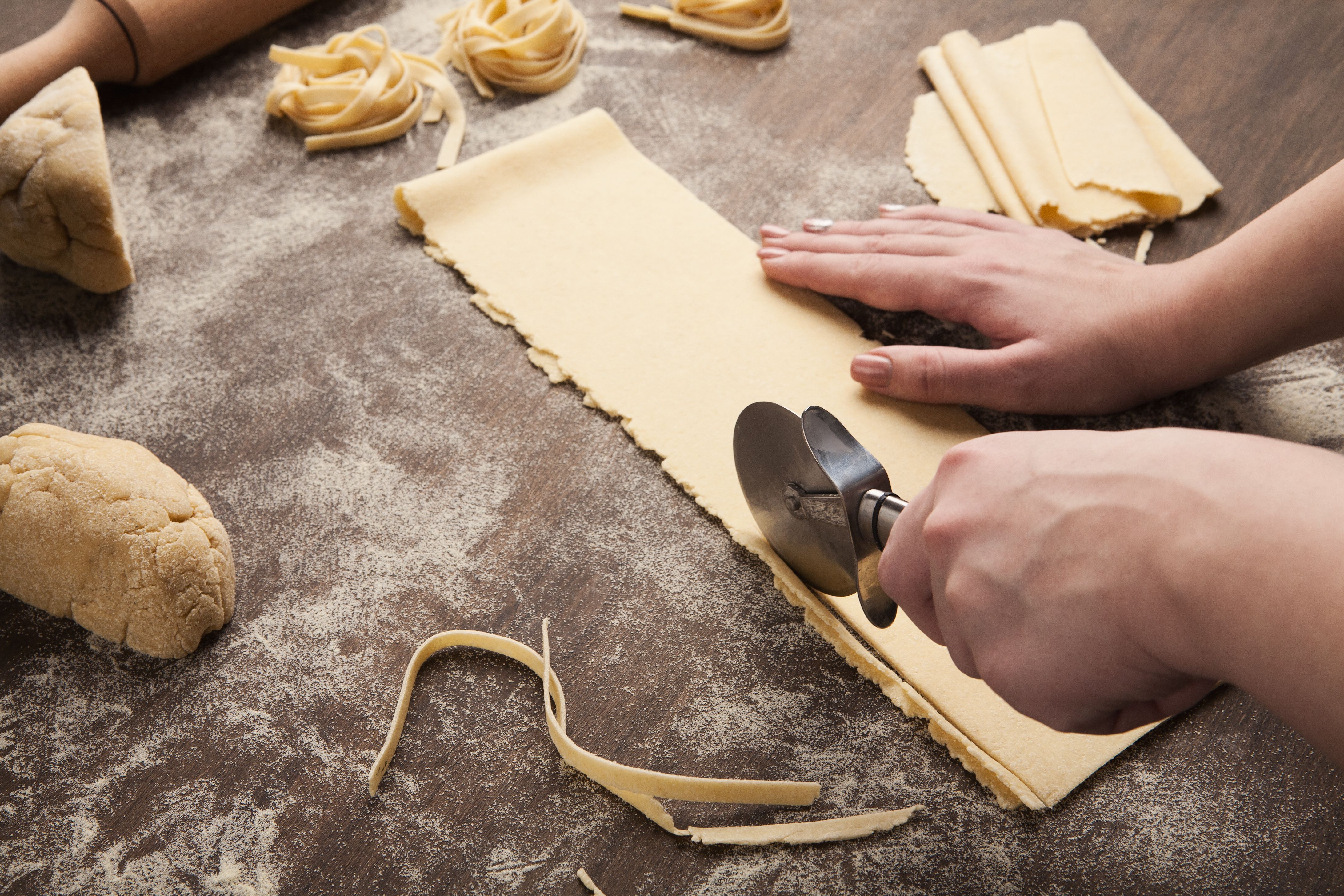
Rolling out your pasta dough can be done with a rolling pin or a pasta machine. A pasta machine ensures even thickness, which is ideal for beginners. Start with the widest setting and gradually move to thinner settings. Once rolled, you can cut the dough into various shapes such as fettuccine, tagliatelle, or pappardelle.
Experimenting with Shapes
Each pasta shape has its unique charm and purpose. For instance, penne and rigatoni are perfect for capturing sauces, while ribbon-like fettuccine pairs beautifully with creamy sauces. Don't hesitate to experiment with different shapes to find your personal favorite.
Cooking and Pairing
Cooking fresh pasta requires attention. Fresh pasta cooks faster than dried pasta, usually taking only 2-4 minutes. Ensure you use a large pot of salted boiling water to achieve the best results. The pasta should be al dente, offering a slight resistance to the bite.
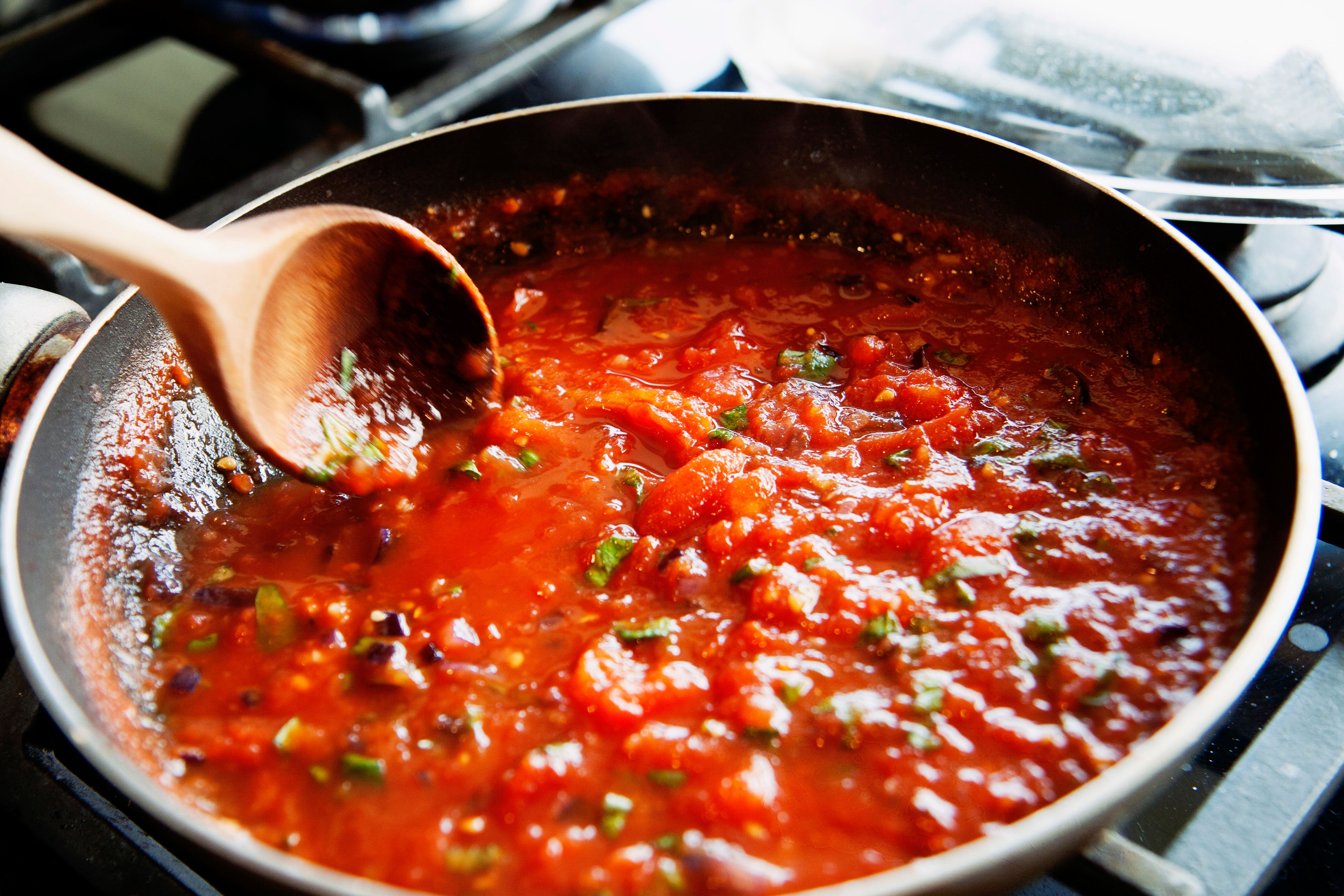
Pairing your homemade pasta with the right sauce is essential. Light sauces like aglio e olio complement delicate pasta, while robust ragù or bolognese enhances heartier shapes.
Final Thoughts
Mastering the art of pasta making is a rewarding journey. It allows you to create personalized dishes that reflect your taste and creativity. By understanding the techniques and experimenting with ingredients, you can bring a touch of Italian tradition to your kitchen.