Italian Cooking Myths: Debunking Common Pasta Misconceptions


Pasta is a beloved staple in many households worldwide, but with its popularity come numerous myths and misconceptions. Let’s dive into some of the most common pasta myths and uncover the truth behind them.
The Myth of the Oil
Perhaps one of the most persistent myths is the belief that adding oil to pasta water prevents sticking. In reality, adding oil does little to prevent pasta from sticking and can even make the sauce slide off the pasta, affecting the overall texture and flavor of the dish.
Instead, focus on stirring the pasta occasionally and using plenty of water to ensure even cooking. This will help keep your pasta from clumping together without the need for oil.
Rinsing Pasta: Necessary or Not?
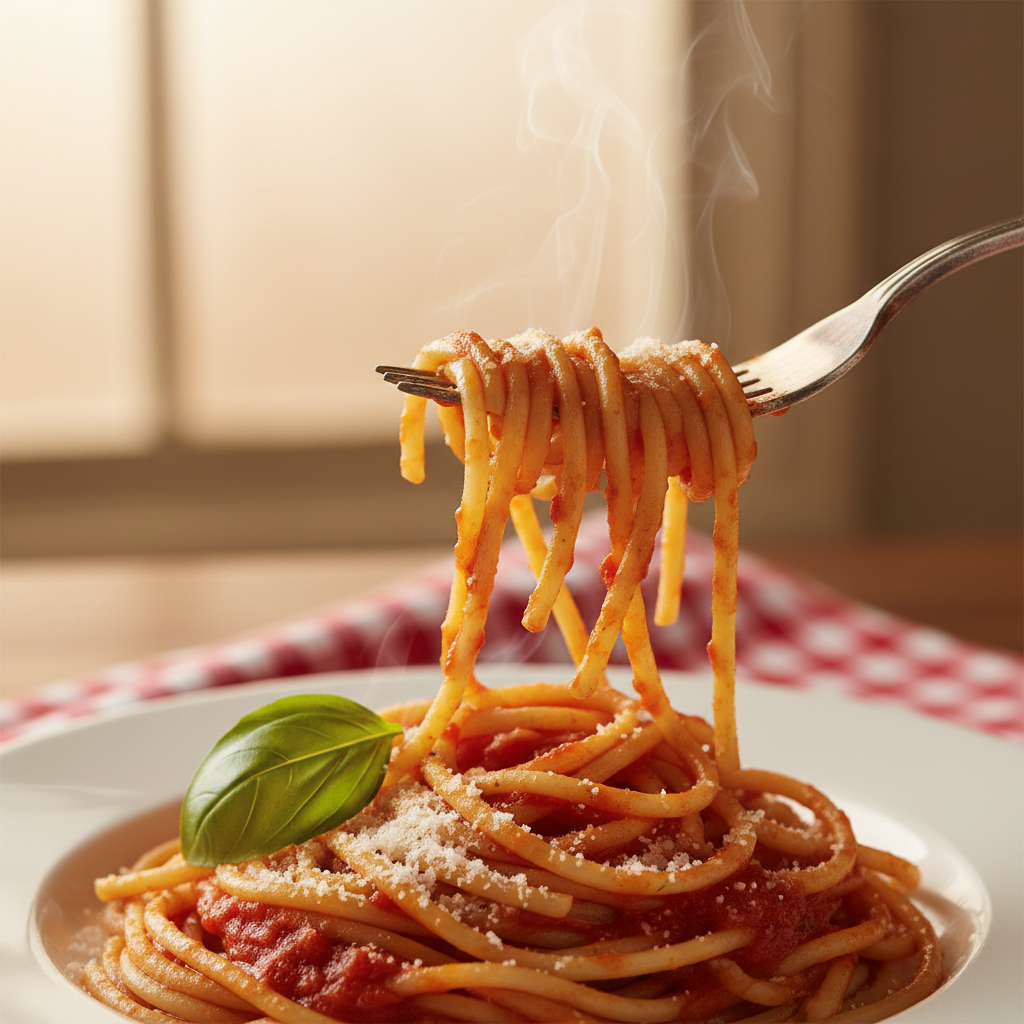
Another common misconception is that rinsing pasta after cooking is essential. While rinsing may be useful for pasta salads to stop the cooking process, it is not recommended for hot pasta dishes. Rinsing removes the starch that helps sauce cling to the pasta, altering the dish's overall consistency.
The Role of Starch
The natural starches released during cooking are crucial for binding the sauce to the pasta. By rinsing, you wash away these starches, resulting in a less cohesive dish. So, for most dishes, skip the rinse and let the pasta's natural starch work its magic.
The Salt Dilemma
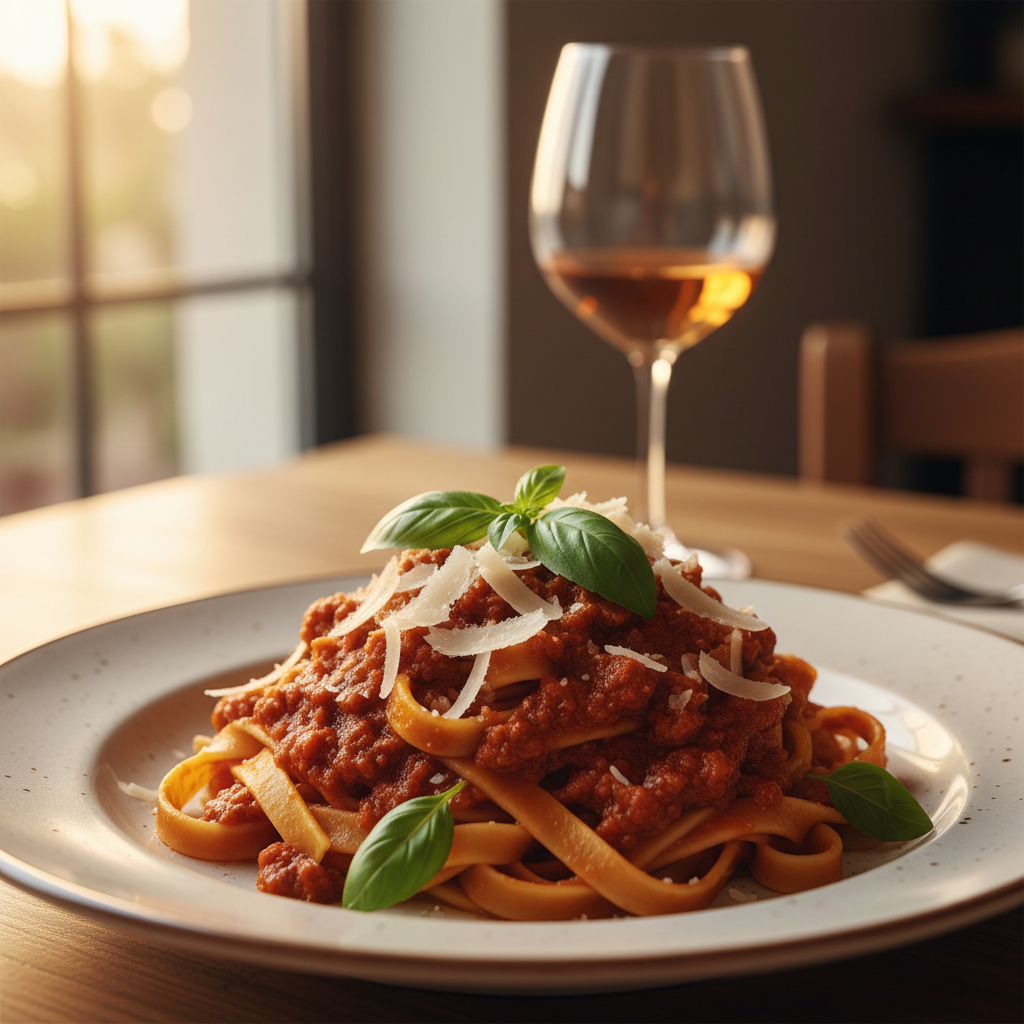
There is often confusion about how much salt to add to the pasta water. Some people believe it’s unnecessary, while others worry about over-salting. The truth is, properly salted water is key to flavorful pasta.
A good rule of thumb is to use about one tablespoon of salt per four to five quarts of water. This will enhance the pasta's flavor without making it overly salty.
Fresh Pasta vs. Dried Pasta
Many assume that fresh pasta is superior to dried pasta. However, each type has its own place in Italian cuisine. Fresh pasta is often best for delicate sauces, while dried pasta holds up well to robust and chunky sauces.
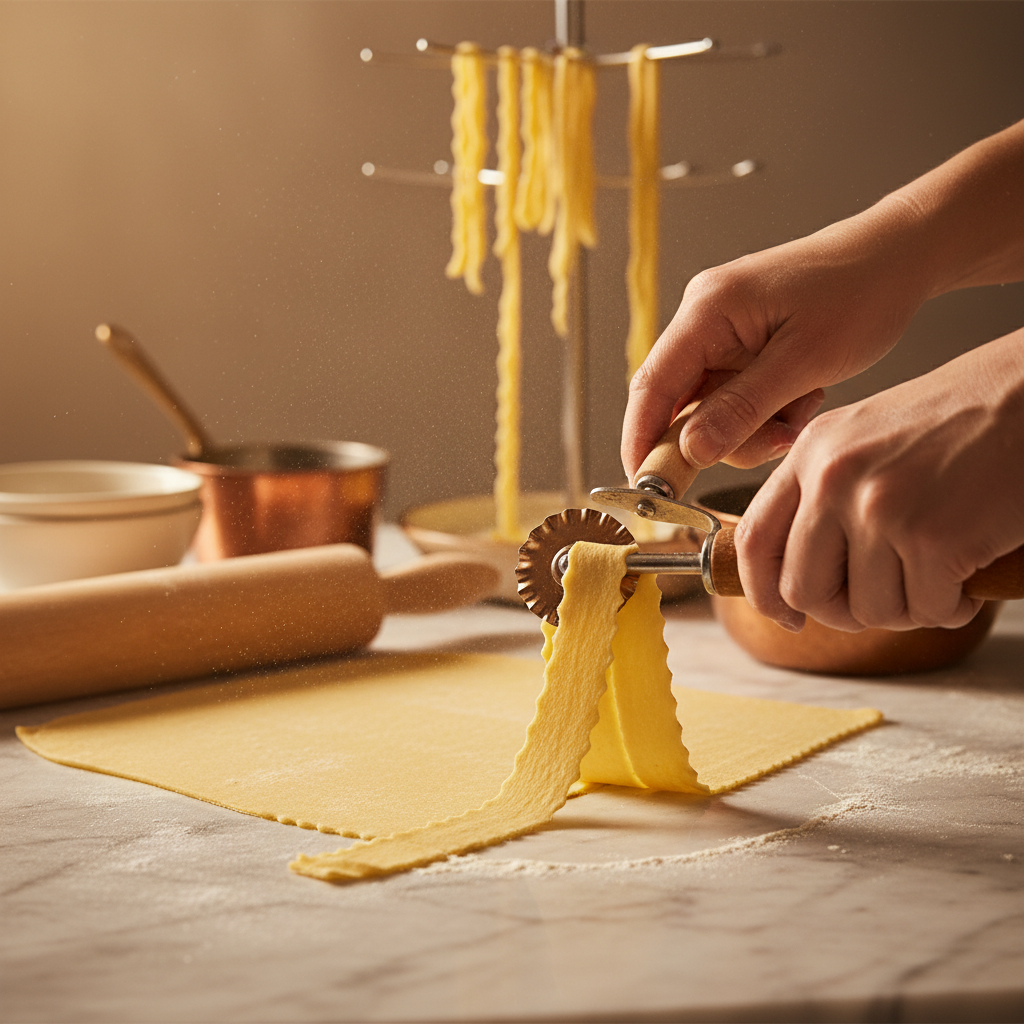
The choice between fresh and dried pasta should depend on the sauce and the dish you’re preparing, rather than a preconceived notion of superiority.
The Perfectly Al Dente Debate
Al dente, which means "to the tooth," is often misunderstood. It refers to pasta being cooked enough to retain a slight firmness when bitten. Cooking pasta al dente ensures it holds its shape and texture, particularly when mixed with sauce.
To achieve al dente perfection, check the pasta a minute or two before the package instructions suggest. Remember, pasta continues to cook even after it is drained due to residual heat.
By debunking these myths, you can elevate your pasta dishes to new heights. Understanding the science and tradition behind pasta preparation allows for a more authentic and flavorful experience. Buon appetito!