Innovations in Pasta Making: Trends to Watch


The Evolution of Pasta Production
Pasta, a staple in many cuisines around the world, has seen significant innovations in its production methods. From the incorporation of new ingredients to the adoption of advanced technology, pasta making is undergoing an exciting transformation. These innovations are not only enhancing the quality and variety of pasta but also meeting the demands of health-conscious consumers.

Embracing Alternative Ingredients
One of the most noticeable trends in pasta making is the use of alternative ingredients. Traditional wheat flour is being replaced or supplemented with ingredients like chickpea, lentil, and quinoa flour. These alternatives are rich in protein and fiber, catering to those seeking gluten-free or low-carbohydrate options. This shift is not only expanding the market but also offering nutritious choices for pasta lovers.
Incorporating Advanced Technology
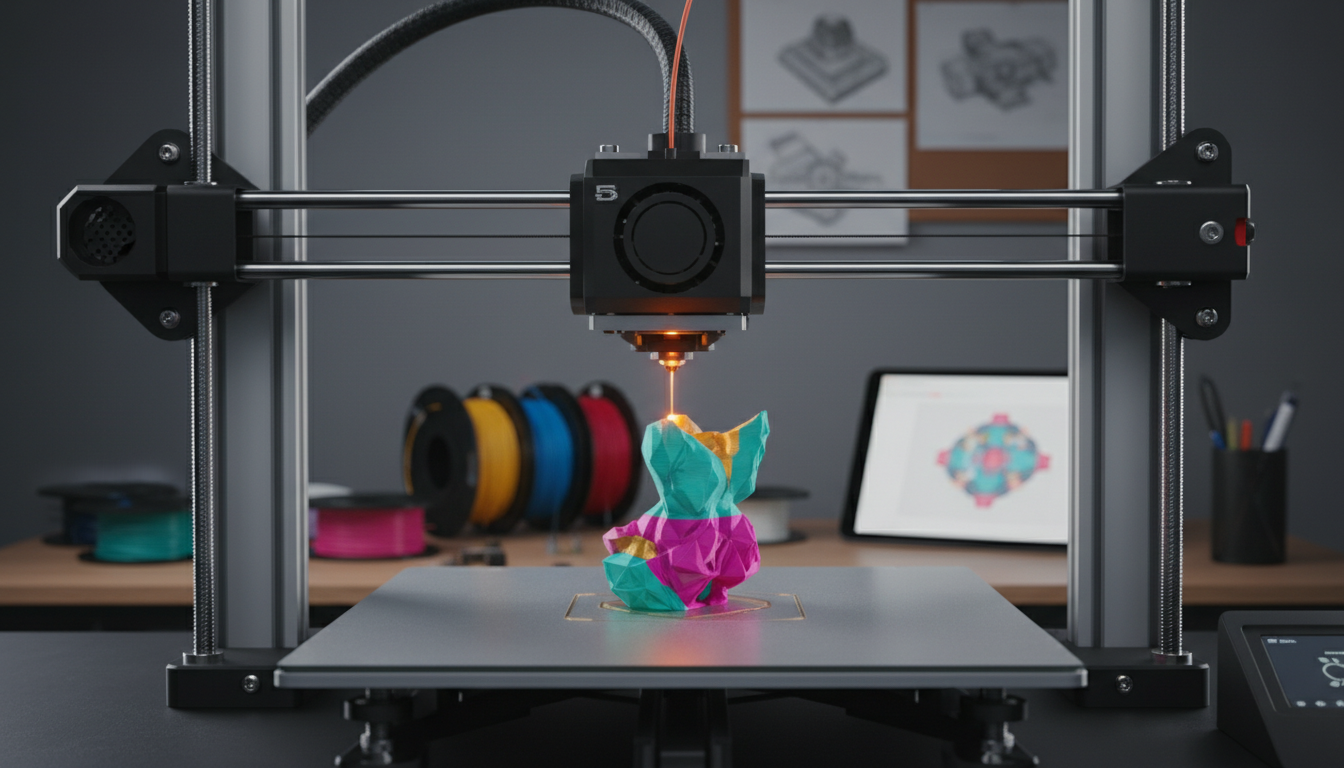
Technology is playing a vital role in modernizing pasta production. Automated machinery and precision engineering are allowing manufacturers to produce pasta with consistent quality and in large quantities. Innovations such as 3D printing are even being explored to create intricate pasta shapes that were once impossible to achieve through traditional methods.
Health-Conscious Pasta Varieties
With an increasing focus on health and wellness, pasta makers are introducing varieties enriched with vitamins, minerals, and even plant-based proteins. These enhanced pastas are appealing to consumers who are mindful of their nutritional intake yet unwilling to compromise on taste and texture. The addition of superfoods like spirulina and kale is also gaining popularity.
Sustainability in Pasta Production
Sustainability is becoming a crucial factor in pasta manufacturing. Companies are exploring eco-friendly packaging and sourcing ingredients from sustainable farms. The reduction of water and energy consumption during production is also a priority. These efforts not only benefit the environment but also resonate with eco-conscious consumers.

Customization and Personalization
The trend towards customization is influencing pasta making as well. Consumers are increasingly interested in personalized pasta experiences, from choosing specific ingredients to selecting unique shapes and flavors. This trend is being supported by online platforms that allow customers to design their own pasta, creating a more engaging and satisfying culinary experience.
Future Prospects
As pasta making continues to evolve, the future looks promising with endless possibilities. The integration of artificial intelligence and data analytics could further streamline production processes and enhance product quality. Additionally, continued research into ingredients and sustainability will likely lead to even more innovative and environmentally friendly pasta options.