DIY Pasta Cutting: A Step-by-Step Guide with Expert Tips


Getting Started with DIY Pasta Cutting
Making pasta at home is a delightful experience that combines culinary art with the satisfaction of creating something from scratch. Whether you're looking to enhance your culinary skills or simply enjoy fresh pasta, cutting your pasta by hand is a rewarding endeavor. Before you start, ensure you have the right tools: a rolling pin, a sharp knife, and a clean countertop.
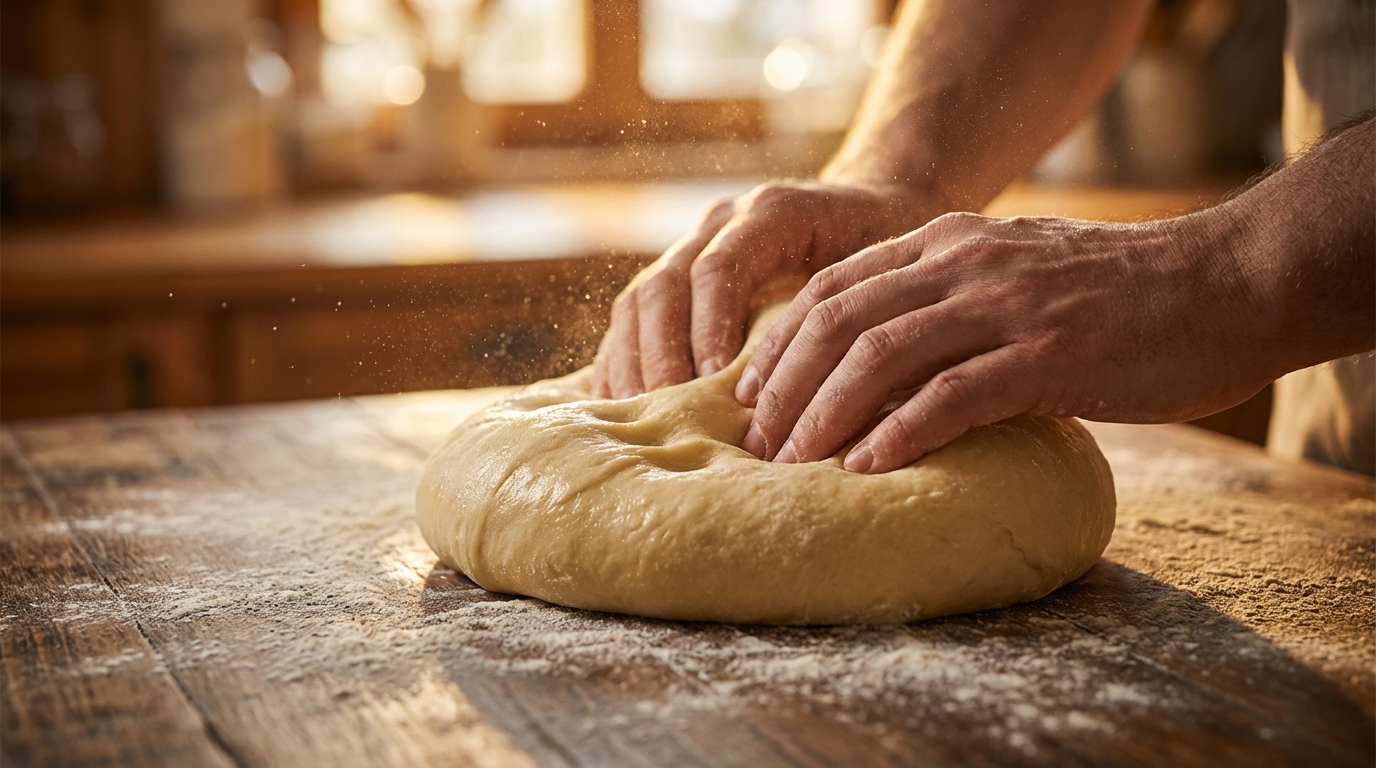
Start by preparing your pasta dough. Mix flour, eggs, and a pinch of salt until you achieve a smooth, elastic consistency. Let the dough rest for at least 30 minutes. This resting period allows the gluten to relax, making it easier to roll out.
Rolling Out Your Pasta Dough
Once your dough is ready, divide it into smaller portions. This makes it easier to roll out thinly. Dust your countertop with flour to prevent sticking, then use a rolling pin to flatten the dough. Aim for a thickness of about 1-2 millimeters, depending on your pasta preference.
Keep turning and flipping the dough to ensure an even thickness. If you’re aiming for a more traditional approach, a pasta machine can be handy. However, mastering the hand-rolling technique adds a rustic charm to your pasta.
Cutting Techniques for Different Pasta Types
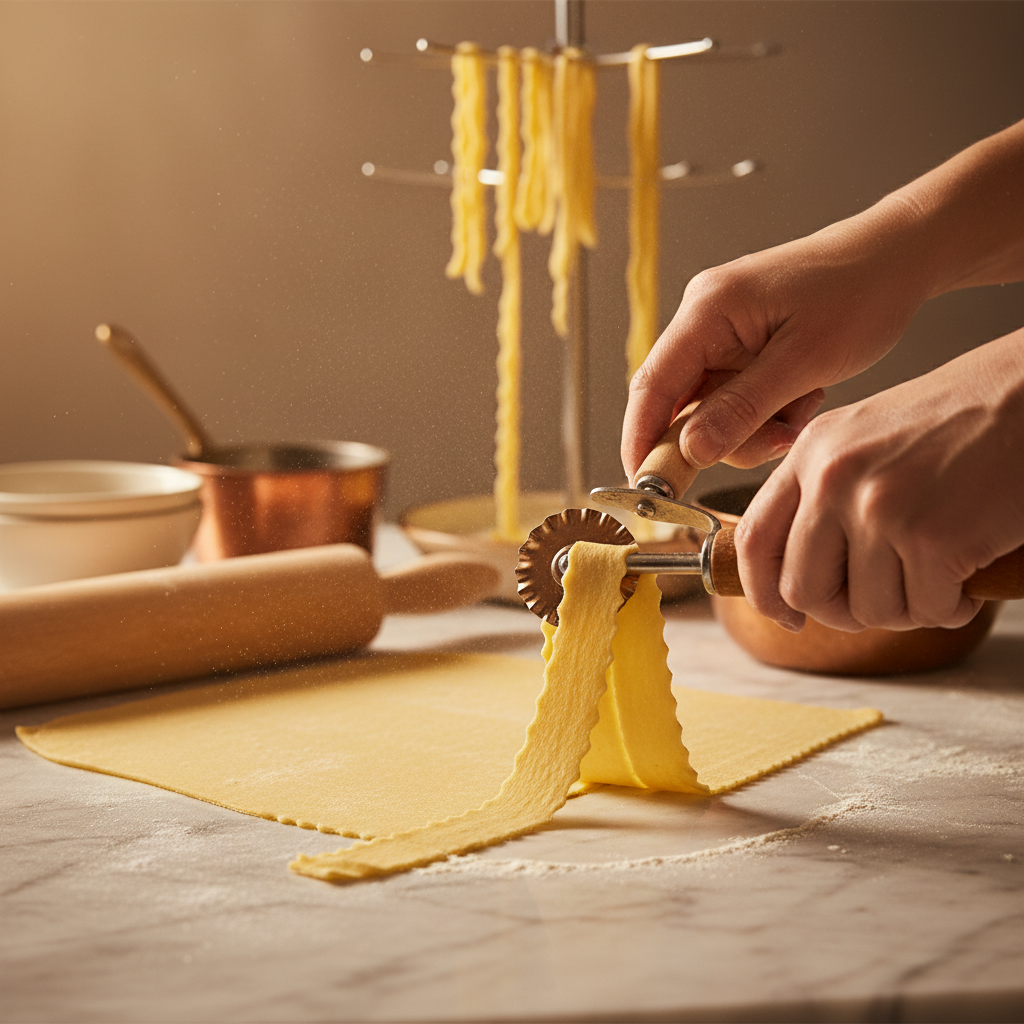
Now that your dough is rolled out, it's time to cut. For tagliatelle or fettuccine, fold the dough gently and slice it into strips. If you prefer ravioli, use a cutter to form squares, ensuring you have two layers to encase the filling.
Remember to dust the cut pasta with flour to prevent any sticking. For a decorative touch, use a fluted pasta cutter to create unique edges.
Expert Tips for Perfect Pasta
Here are some expert tips to elevate your pasta-making experience:
- Use Semolina Flour: For a more textured pasta, incorporate semolina flour into your dough.
- Keep Dough Covered: When not working with a portion of dough, keep it covered with a damp cloth to prevent drying out.
- Experiment with Flavors: Add herbs or spices to the dough for unique flavors.
Storing and Cooking Your Pasta
If you’re not cooking the pasta immediately, let it dry on a rack for an hour. For longer storage, freeze the pasta in airtight containers for up to two months. When you’re ready to cook, boil the pasta in salted water for 2-4 minutes, depending on its thickness.
Fresh pasta cooks faster than dried pasta, so keep a close eye to prevent overcooking. Enjoy your pasta with your favorite sauce and toppings.
Conclusion
Creating pasta from scratch is not only a fun DIY project but also a way to bring homemade authenticity to your meals. With practice and patience, your pasta-making skills will flourish, providing delicious results every time. Share your creations with friends and family, and enjoy the fruits of your labor with every bite.