Bronze Extruders vs. Traditional Methods: Which is Right for Your Pasta?


Understanding Bronze Extruders
When it comes to pasta, the method of extrusion can significantly impact the texture and taste. Bronze extruders have been used for centuries to create artisanal pasta with a rough texture that clings beautifully to sauces. This method involves using bronze dies to shape the pasta, imparting a unique surface quality that’s favored by many chefs and pasta enthusiasts.
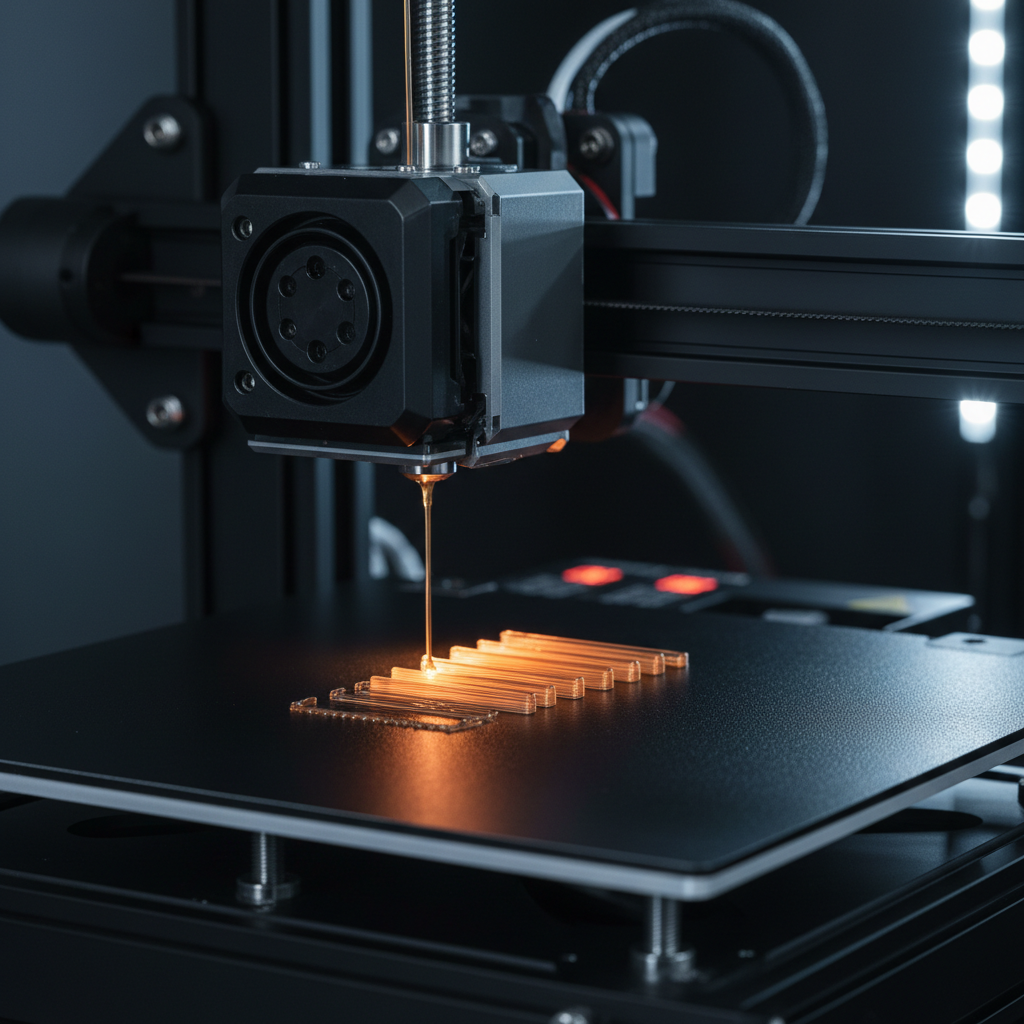
Bronze extrusion is not just about texture; it also adds an element of tradition and quality to the pasta-making process. The process is slower and often results in a denser, more flavorful final product. But how does it compare to traditional methods? Let’s explore.
Traditional Pasta-Making Methods
Traditional methods of pasta making include hand-rolling and cutting, as well as using Teflon-coated dies for extrusion. These techniques are often faster and more cost-effective, making them popular for mass production. Teflon dies create a smoother pasta surface, which can be appealing for certain types of dishes.
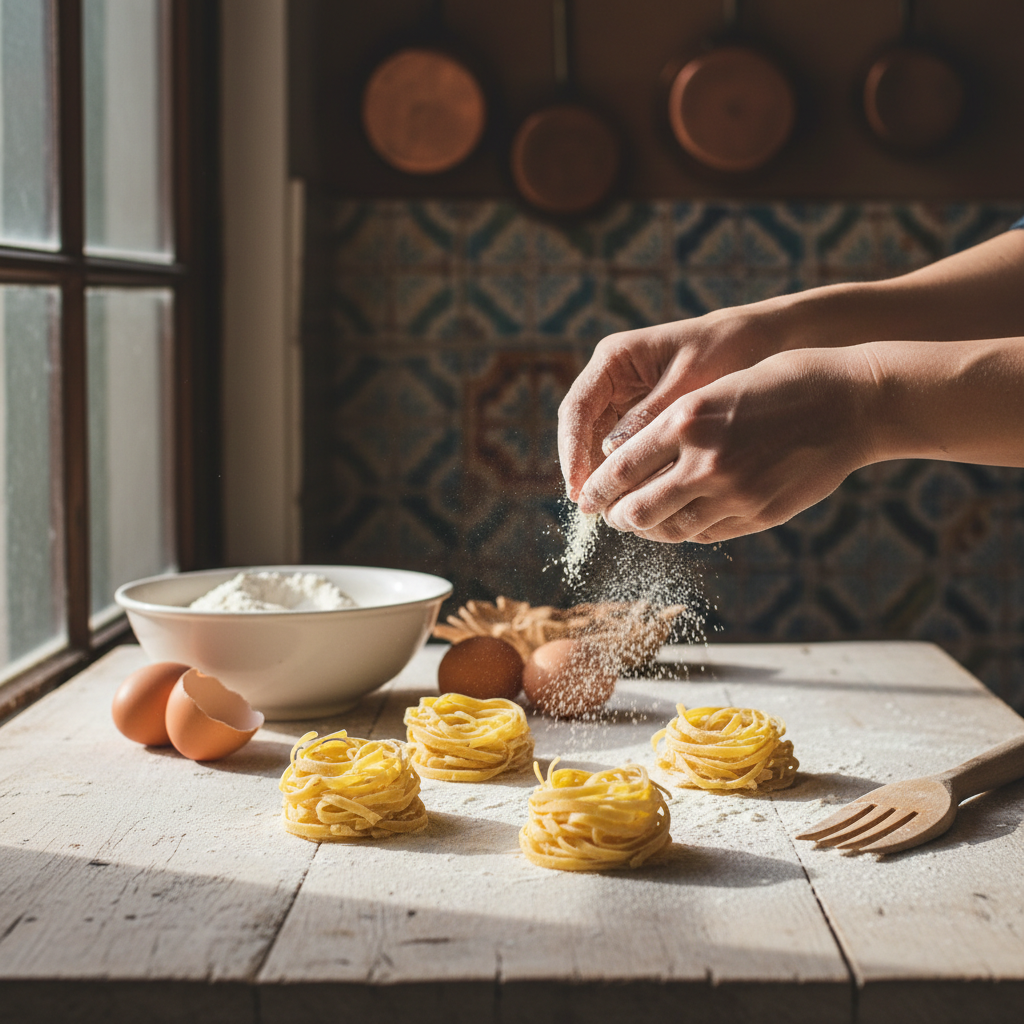
Hand-rolled pasta, on the other hand, is a labor-intensive process that allows for a lot of creativity and variation. It’s perfect for special occasions or when you want to create something truly unique. However, it may not always be practical for everyday use.
The Texture Debate
The texture of pasta is a crucial factor in how it interacts with sauce. Bronze extruded pasta has a rougher surface that helps sauces adhere better, enhancing the overall flavor. Traditional methods, particularly those using Teflon dies, produce a smoother pasta that might not hold sauce as effectively.
For those who appreciate a robust flavor experience, bronze extruded pasta can be a game-changer. However, if you prefer a lighter dish where the pasta plays a supporting role, traditional methods might be more suitable.
Choosing the Right Method for You
When deciding between bronze extruders and traditional methods, consider what’s most important to you in your pasta dishes. If texture and sauce adherence are top priorities, bronze extrusion may be the way to go. For ease and speed, traditional methods might be more appropriate.
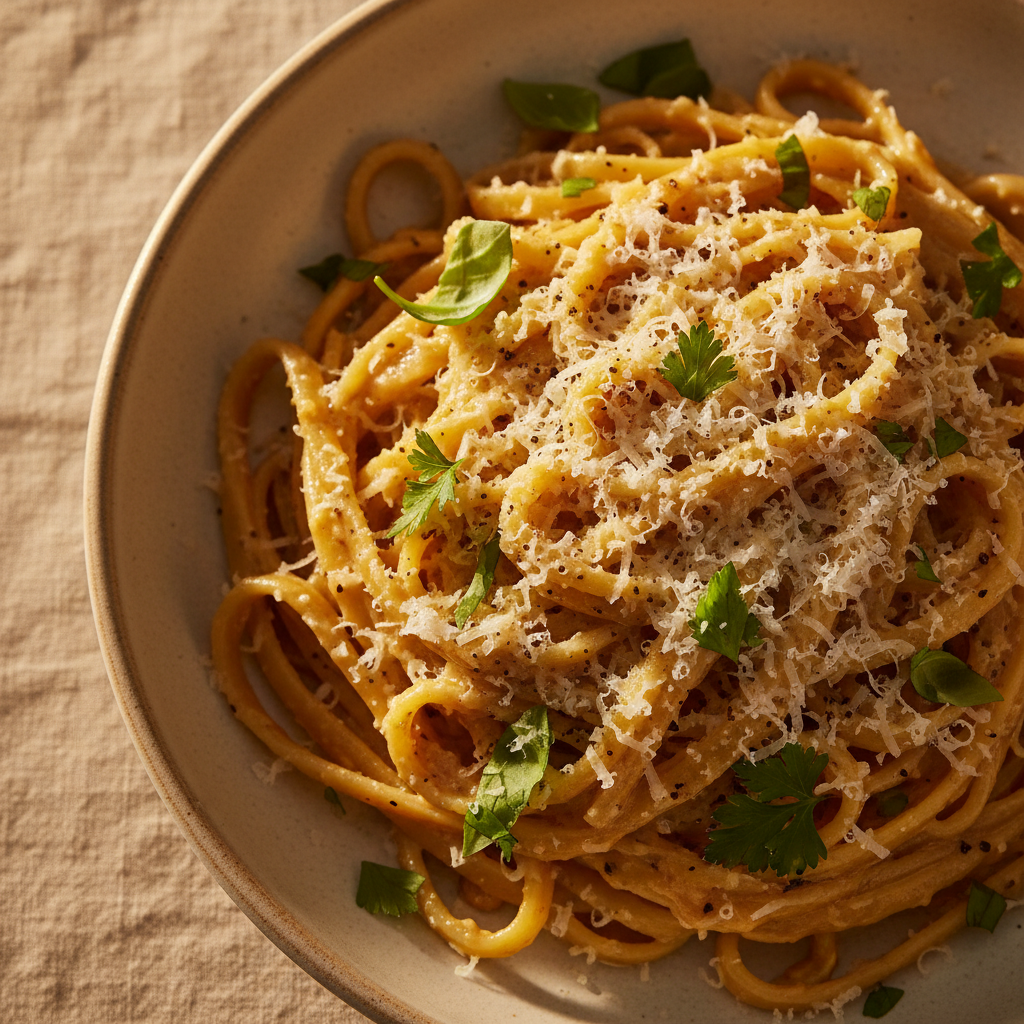
It’s also worth considering the type of dishes you frequently prepare. Hearty, sauce-heavy recipes might benefit from the texture of bronze extruded pasta, while lighter, more delicate dishes could pair better with smoother pasta.
Conclusion
Both bronze extruders and traditional methods have their place in the world of pasta-making. Your choice will ultimately come down to personal preference and the specific culinary experience you wish to create. Whether you opt for the artisanal charm of bronze or the efficiency of traditional methods, there’s no wrong way to enjoy pasta.
Experiment with both techniques to discover which best suits your palate and culinary style. After all, in the realm of pasta, there’s a world of delicious possibilities waiting to be explored.